What is a fiber blowing machine
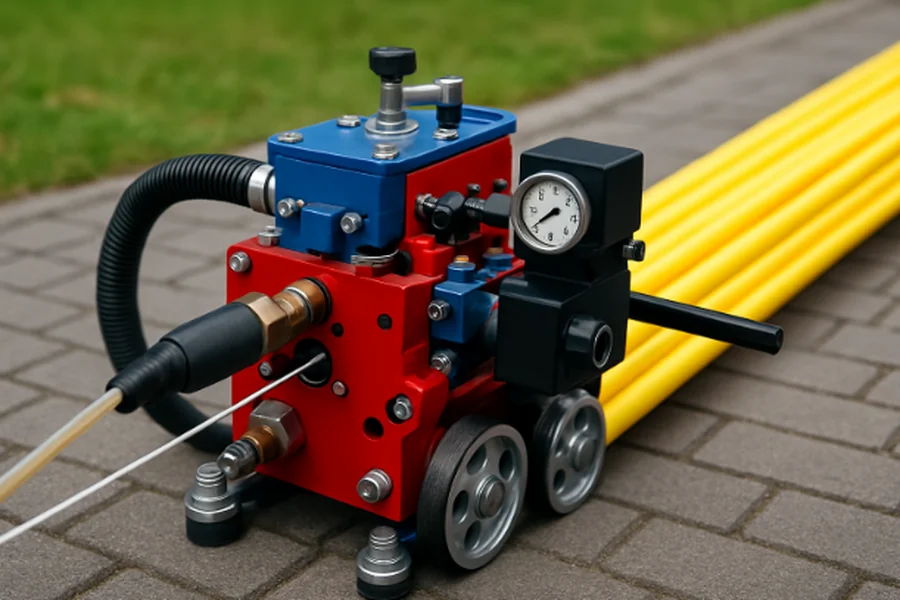
A fiber blowing machine is a specialized piece of equipment used to install microducts and fiber optic cables by using air or a combination of air and mechanical push. Instead of pulling cables, blowing machines propel the cable through ducts with controlled air pressure and feed mechanisms, reducing friction and the risk of fiber damage. This method is widely used for urban deployments, last-mile connections and long-distance microduct installations because it is faster, gentler and often more reliable than traditional pulling.
Key features to consider
When selecting equipment, focus on feed control, blowing pressure range, torque consistency, reel capacity and compatibility with different duct sizes. Accurate feed sensors and adjustable speed control help prevent overstressing the fiber, while a robust frame and modular tooling make it easier to switch between diameter types. For many projects, integrated automation and data logging for distance, speed and pressure improve repeatability and help troubleshoot installation issues. Compare models by their duty cycle and how they manage long continuous runs, and review the available accessories for splicing, coiling and duct preparation; for example, detailed product pages for a fiber blowing machine typically outline compatible duct and cable diameters so you can match a model to your specific needs.
Operational benefits and use cases
Blowing technology can significantly reduce installation time and labor costs, particularly in dense urban environments or multi-unit buildings where access is constrained. It excels at installing multiple microducts in a single pass and is useful for FTTH, FTTB and campus networks. The reduced need for heavy winches and the lower risk of fiber stretch make it preferable for fragile, high-count cables. Additionally, many machines support incremental insertion so installers can monitor progress and react quickly to changes in duct conditions, minimizing downtime on critical projects.
Maintenance, training and safety
Routine maintenance includes cleaning feed rollers, checking seals and monitoring air filters and compressor performance. Calibrating sensors and inspecting tooling for wear prolongs machine life and maintains installation quality. Operators should be trained on proper cable handling, pressure management and emergency procedures; safe use of compressed air systems and correct anchoring of reels are essential to prevent accidents or cable damage. Investing in periodic service and operator training delivers more consistent results and lower lifecycle costs than choosing a lower-spec machine with minimal support.
How to evaluate total cost and return on investment
When calculating cost, include initial purchase, spare parts, expected downtime, operator training and the value of faster installations. Higher-spec machines often offer better control and longer service intervals, which can improve yield on large deployment programs. Assessing compatibility with existing workflows, availability of accessories and the vendor’s support options will clarify total cost of ownership and help you select equipment that meets both immediate requirements and future network expansion plans.
