
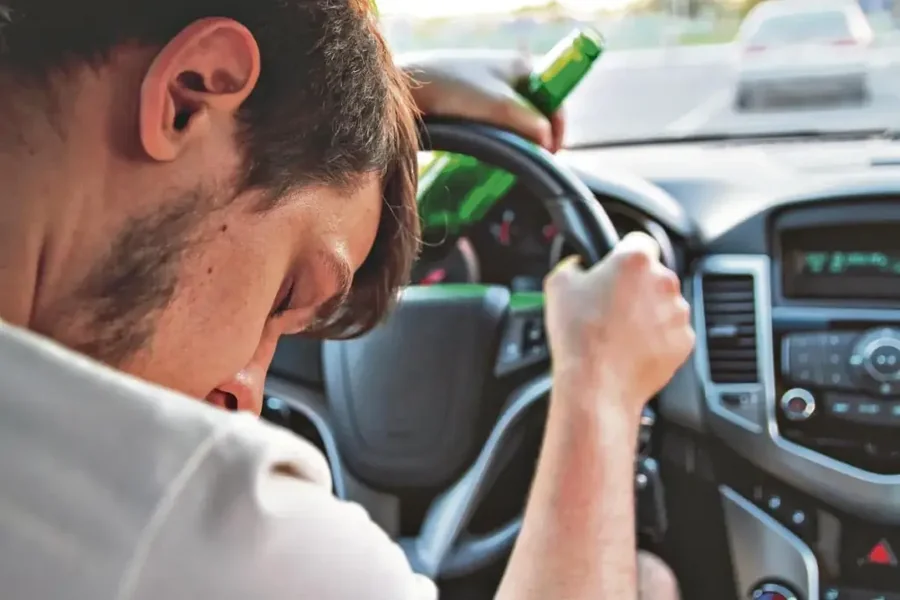
For more than four decades, public safety campaigns, harsher criminal penalties, ignition interlock programs, and high-visibility enforcement efforts have attempted to reduce drunk driving across the United States. Yet despite those efforts, alcohol-impaired driving continues to kill thousands of Americans every year.
A recent study conducted by Simmrin Law Group examined modern drunk driving trends across the country, including fatality rates, repeat offender patterns, celebrity DUI cases, demographic risks, and changing impairment behaviors. The findings suggest that while public attitudes toward drunk driving have shifted significantly over time, impaired driving remains deeply rooted in American transportation and drinking culture.
According to the study, approximately 37 people die every day in alcohol-related traffic crashes nationwide. Alcohol-impaired driving continues to account for roughly one-third of all roadway fatalities in the United States, placing DUI-related crashes among the leading causes of preventable traffic deaths each year.
Researchers found that while drunk driving fatalities declined significantly during earlier decades following aggressive awareness campaigns, progress has slowed in recent years.
Behavioral risk factors remain widespread.
Young adults between ages 21 and 34 consistently represent one of the highest-risk groups for alcohol-impaired driving fatalities. Male drivers remain disproportionately involved in fatal DUI crashes, while binge drinking patterns continue correlating strongly with severe alcohol-related collisions.
The study also identified repeat offenders as one of the largest contributors to ongoing DUI fatalities.
Many drivers arrested for impaired driving have prior DUI histories, and researchers noted repeat offenders are significantly more likely to be involved in serious or fatal crashes. Some estimates suggest the average impaired driver may drive under the influence dozens of times before being arrested for the first time.
This pattern has increasingly shifted DUI discussions toward broader public health concerns rather than isolated criminal behavior.
Alcohol dependency, addiction disorders, untreated mental health conditions, and high-risk behavioral patterns frequently intersect with repeat DUI offenses. Researchers argue that criminal penalties alone often fail to address the underlying causes driving chronic impaired driving behavior.
At the same time, the social normalization of alcohol remains a major challenge.
Drinking culture continues to be heavily embedded within sports, nightlife, holidays, concerts, weddings, and entertainment industries throughout the United States. In many environments, alcohol consumption is treated as a routine part of social participation, while transportation planning often assumes individuals will drive to and from those activities.
Researchers found that major holidays and event weekends consistently generate spikes in impaired-driving fatalities nationwide. New Year’s Eve, Independence Day weekend, and major sporting events remain among the deadliest periods for alcohol-related roadway deaths each year.
The study also highlighted geographic differences across the country.
Large states such as Texas, California, and Florida recorded some of the highest overall numbers of alcohol-related fatalities due to their populations and roadway volume. However, several rural states recorded especially high per-capita DUI fatality rates. Researchers found rural areas face distinct risks because drivers often travel longer distances after drinking and have fewer transportation alternatives available.
Emergency response times may also contribute to fatality severity in rural communities where trauma centers and law enforcement coverage are more limited.
The rise of ride-sharing platforms initially created optimism among transportation researchers that impaired-driving fatalities might decline substantially. While some urban markets experienced localized reductions after rideshare expansion, the study found national DUI death trends have remained persistently high overall.
Researchers suggest convenience alone may not overcome impaired judgment.
Once intoxicated, drivers often underestimate their impairment levels, overestimate their driving ability, or make impulsive decisions inconsistent with sober risk assessment. Behavioral psychology studies repeatedly show alcohol reduces inhibition and increases risk-taking behavior, making rational transportation decisions less likely after heavy drinking.
The research also examined changing impairment patterns involving drugs in addition to alcohol.
Polysubstance impairment involving marijuana, prescription medications, opioids, and other substances has become increasingly common in traffic fatalities nationwide. This has complicated both enforcement and toxicology investigations as law enforcement agencies attempt to adapt to evolving impairment trends.
Celebrity DUI arrests received substantial attention within the study as well.
Researchers noted that high-profile DUI cases involving actors, musicians, athletes, and influencers often dominate public conversation about impaired driving. However, they argued those incidents can sometimes obscure the broader reality that the overwhelming majority of alcohol-related fatalities involve ordinary drivers and victims rather than celebrities.
The study also explored how vehicle technology may unintentionally shape driver confidence.
Modern vehicles increasingly include advanced driver-assistance systems such as lane departure warnings, adaptive cruise control, collision alerts, and partial automation features. While these systems improve overall safety, researchers warned they may create false confidence among impaired drivers who mistakenly believe technology can compensate for reduced reaction time and judgment.
Safety experts consistently emphasize that no consumer vehicle technology eliminates the dangers of intoxicated driving.
The broader findings suggest America’s DUI problem is no longer simply a law enforcement issue. Instead, it increasingly intersects with addiction treatment, public health policy, transportation infrastructure, behavioral psychology, and cultural attitudes surrounding alcohol itself.
Despite decades of public education campaigns, impaired driving continues killing thousands annually, often in crashes that safety experts describe as entirely preventable.
Researchers suggest reducing DUI fatalities further may ultimately require combining stricter enforcement with expanded treatment access, stronger transportation alternatives, earlier behavioral intervention, and broader cultural shifts regarding alcohol use and personal responsibility behind the wheel.
