
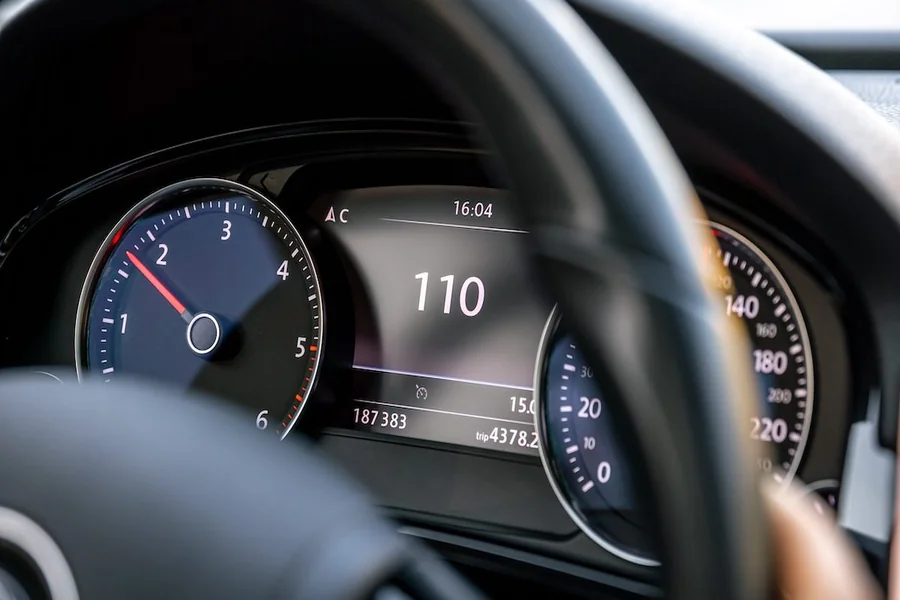
For decades, odometer fraud has been viewed primarily as a financial crime, associated with deceptive used-car sales and inflated vehicle values. But new research suggests the consequences may extend far beyond consumer fraud alone.
A recent study conducted by Sweet James examined the nationwide impact of odometer tampering and found that manipulated mileage readings may significantly increase crash risks by disguising vehicle wear, delaying critical maintenance, and misleading consumers about the true condition of the vehicles they purchase.
The findings arrive as the used car market continues expanding nationwide amid rising new vehicle prices, elevated interest rates, and longer vehicle ownership cycles. Millions of Americans now rely on older used vehicles for daily transportation, making accurate mileage reporting increasingly important for both financial and safety reasons.
According to the study, odometer fraud affects hundreds of thousands of vehicles annually in the United States. Researchers estimate consumers lose more than $1 billion every year due to rolled-back odometers and mileage misrepresentation.
But the financial losses may only represent part of the problem.
Vehicle mileage plays a central role in determining maintenance schedules, mechanical lifespan expectations, resale value, and overall safety reliability. When odometers are manipulated, buyers may unknowingly drive vehicles with far more wear and tear than they realize.
Critical systems such as brakes, suspension components, tires, steering systems, timing belts, transmissions, and airbags all degrade over time and mileage. Incorrect mileage readings can cause owners to postpone inspections or replacement intervals that manufacturers consider essential for safe operation.
Researchers found that odometer tampering frequently targets vehicles near major maintenance milestones.
For example, vehicles approaching 100,000 miles often experience steep resale value declines because buyers anticipate higher repair costs and increased mechanical failure risks. Fraudulently lowering mileage can artificially increase vehicle value by thousands of dollars while concealing the true condition of aging components.
The risks become especially significant as Americans keep vehicles longer than ever before.
The average age of vehicles on U.S. roads now exceeds 12 years, reflecting both improved vehicle longevity and rising affordability pressures in the automotive market. As vehicles accumulate more mileage over longer ownership periods, accurate maintenance tracking becomes increasingly important for preventing breakdowns and mechanical failures.
Researchers noted that modern odometer fraud has evolved alongside vehicle technology itself.
Older mechanical odometers could be physically rolled backward using relatively simple tools. Today, digital odometers often require electronic tampering equipment and software manipulation, making fraud harder for consumers to detect visually.
In some cases, altered mileage may appear completely legitimate unless buyers conduct detailed vehicle history investigations or compare maintenance records against inspection data.
The study identified several states with elevated odometer fraud concerns, particularly those with large used-car markets, heavy vehicle turnover, and significant interstate vehicle transfers. Fraud schemes often involve moving vehicles between states to exploit differences in title branding requirements, reporting systems, and inspection regulations.
Natural disasters may also contribute to fraud activity.
Researchers found that vehicles damaged in floods, hurricanes, or other severe weather events are sometimes resold across state lines with manipulated histories or mileage records. In some cases, consumers unknowingly purchase vehicles with both hidden structural damage and falsified mileage information.
The growing online used-car marketplace has added additional complexity.
Digital vehicle sales platforms allow consumers to purchase vehicles remotely with limited physical inspection opportunities. While many online marketplaces provide history reports and seller verification tools, fraudulent listings remain a persistent concern across peer-to-peer and independent dealership markets.
Researchers also noted that vehicle shortages during recent years may have intensified fraud incentives.
As used vehicle prices surged nationwide following supply chain disruptions and inflationary pressures, the financial reward for rolling back odometers increased substantially. High-demand trucks, SUVs, and fuel-efficient vehicles became especially attractive targets for mileage manipulation because even modest mileage reductions could produce large resale gains.
The study further examined the relationship between deferred maintenance and crash risk.
Vehicles operating beyond recommended maintenance intervals face higher risks of tire blowouts, brake failures, steering malfunctions, suspension problems, and engine breakdowns. While not every mechanical issue directly causes crashes, researchers noted that worn vehicle systems can reduce driver control, increase stopping distance, and raise the likelihood of roadway emergencies.
Consumer awareness remains uneven.
Many buyers continue relying primarily on dashboard mileage displays when evaluating used vehicles rather than reviewing title histories, maintenance documentation, inspection records, or vehicle history databases. Researchers suggest this creates opportunities for sophisticated fraud schemes to persist despite federal odometer tampering laws.
Federal penalties for odometer fraud can include substantial fines and criminal prosecution, yet enforcement challenges remain significant because many fraudulent transactions involve multiple intermediaries, altered documentation, or cross-state vehicle movement.
The study ultimately frames odometer fraud not simply as a financial deception but as a broader transportation safety concern.
As Americans increasingly depend on aging used vehicles in a high-cost automotive market, researchers suggest accurate mileage reporting may become even more important for protecting consumers from both financial losses and preventable roadway dangers tied to hidden mechanical deterioration.
