

Swimming is an essential life skill that supports a child’s safety, physical health, and personal development. For children, learning to swim at an early age helps build confidence in water while improving coordination and overall fitness. A well-structured swimming class provides children with the guidance and consistency needed to develop strong aquatic skills in a safe and supportive environment.
Why Swimming Classes Are Important for Children
Children are naturally curious and energetic, especially around water. Without proper instruction, this curiosity can increase the risk of accidents. A well-structured swimming class for kids teaches children how to move safely in water, regulate breathing, and remain calm in unfamiliar situations. These foundational skills are critical for reducing water-related risks.
Early exposure to swimming also helps children become comfortable in aquatic environments. When children learn to swim at a young age, fear is minimized, and learning becomes more effective. Comfort in water allows children to focus on technique and skill development rather than anxiety, leading to better long-term outcomes.
Physical Benefits of Swimming for Kids
Swimming is a full-body activity that engages muscles throughout the body. It improves strength, flexibility, balance, and coordination while placing minimal stress on joints. This makes swimming suitable for children of different fitness levels and physical abilities.
Regular swimming classes support cardiovascular health and lung development through continuous movement and controlled breathing. Swimming also encourages proper posture and body awareness, which can contribute positively to a child’s growth and physical development.
In addition, swimming provides a healthy outlet for energy. Children who participate in swimming classes often experience improved sleep, better concentration, and increased overall well-being.
Cognitive and Emotional Development Through Swimming
Swimming classes offer benefits beyond physical fitness. Learning swimming techniques requires focus, listening skills, and memory. Children must understand instructions, observe demonstrations, and apply feedback, which strengthens cognitive development and learning habits.
Swimming also helps children build emotional resilience. As they work through challenges such as floating independently or learning new strokes, they gain confidence and perseverance. Achieving milestones in the pool reinforces self-belief and a sense of accomplishment.
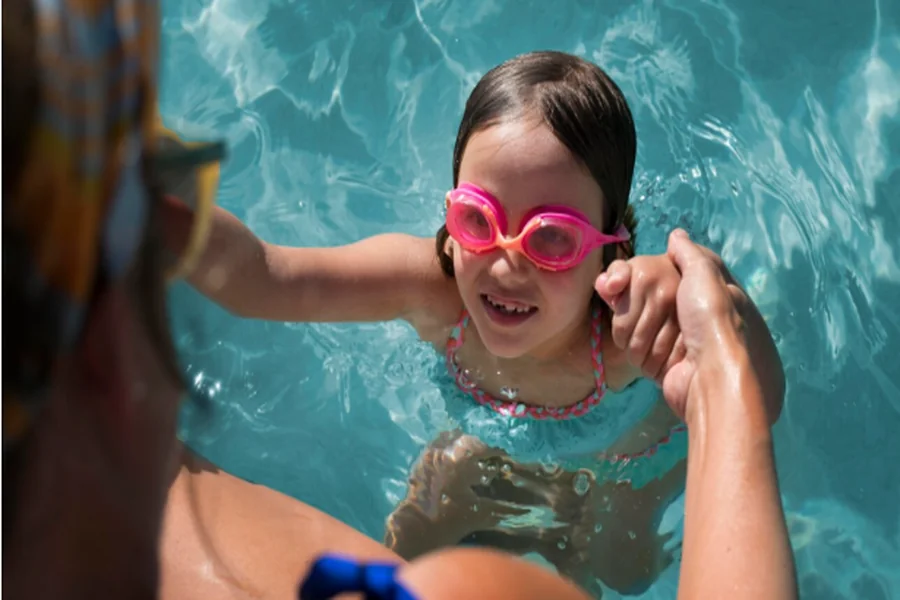
Group classes support social development as well. Children learn to follow rules, take turns, and interact respectfully with peers and instructors. These experiences encourage cooperation, communication, and discipline.
What Children Learn in a Swimming Class
Swimming classes typically begin with water familiarisation. Children learn how to enter the pool safely, float, and practice basic breath control. These skills help reduce fear and create a strong foundation for further learning.
As children progress, classes introduce fundamental swimming strokes such as freestyle and backstroke. Lessons also include coordinated kicking, arm movements, and body positioning. Treading water and basic water survival skills are gradually incorporated to enhance safety awareness.
Safety education remains a key component throughout all levels. Children are taught pool rules, awareness of surroundings, and appropriate responses to unexpected situations. These lessons help children develop respect for water and understand their personal limits.
Long-Term Value of Swimming Skills
Swimming is a lifelong skill that continues to offer benefits well beyond childhood. Children who learn to swim early are more likely to remain active swimmers as they grow older, using swimming for exercise, recreation, or relaxation.
Early swimming education can also open opportunities for competitive swimming or participation in other water-based activities. Even for children who do not pursue advanced training, the ability to swim confidently provides independence and enhances personal safety.
Parents often notice that swimming classes help children develop discipline and responsibility. Attending lessons regularly, following instructions, and working toward improvement encourage goal-setting and persistence.
Choosing the Right Swimming Class
Selecting the right swimming class plays an important role in a child’s learning experience. Factors such as instructor qualifications, class size, and lesson structure should be carefully considered. Smaller class sizes often allow for more personalized instruction and better supervision.
Programs that group children by age and skill level help ensure lessons are engaging and manageable. A clear progression system allows children to advance at a comfortable pace without feeling overwhelmed.
Consistency is also essential. Regular attendance helps reinforce techniques and build muscle memory. With steady practice, children gain confidence and retain skills more effectively.
Conclusion
A swimming class for kids provides far-reaching benefits that extend beyond the pool. Through structured instruction, children develop essential water safety skills, improve physical fitness, and build emotional confidence. Swimming classes also support cognitive development, social interaction, and discipline. Investing in quality swimming education helps ensure children gain a valuable life skill that promotes safety, independence, and long-term well-being.
