

If you’re looking for a Southern Italy itinerary that isn’t just a checklist of postcard spots, you’re in the right place. Southern Italy has a habit of surprising even seasoned travelers. One moment you’re standing on a dramatic coastal cliff; the next you’re eating lunch in a village where nobody speaks English and nobody feels the need to. That’s part of the charm.
This 7-day Southern Italy itinerary is built for people who want to understand the region, not rush through it. You’ll still see the icons, but you’ll balance them with local experiences, realistic travel times, and places that rarely make it into glossy brochures. Think of it as a practical Southern Italy travel guide with opinions, shortcuts, and a few warnings learned the hard way.
Before diving into the day-by-day plan, it’s worth bookmarking a solid overview of the region. This guide on nextleveloftravel.com gives useful context on how Southern Italy differs from the north, especially when it comes to pacing, transport, and expectations.
Days 1–2: Amalfi Coast, with a Detour Most People Miss
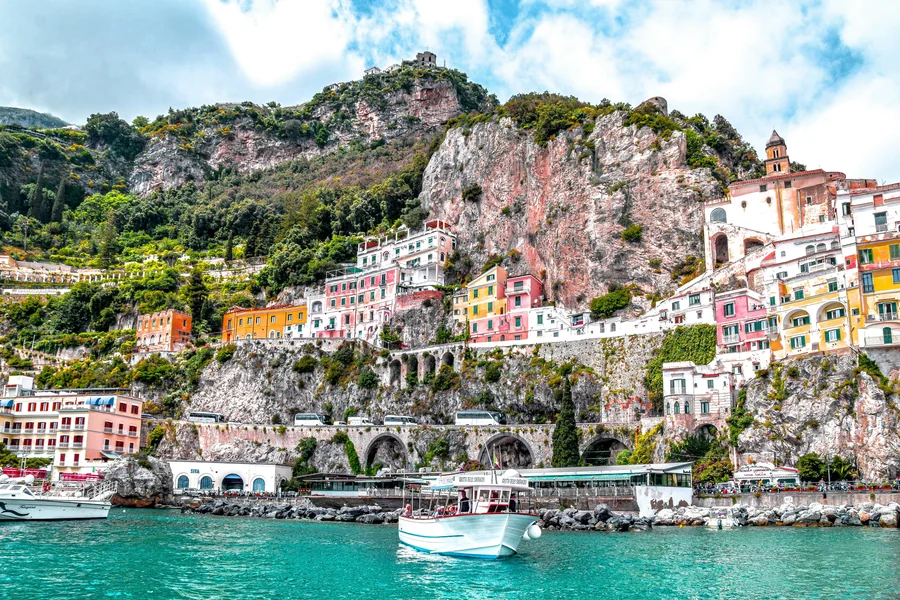
Yes, the Amalfi Coast really is that beautiful. Places like Positano and Amalfi deliver the views you’ve seen a thousand times online. The mistake many travelers make is trying to “do it all” in a single day. That usually ends with crowds, queues, and very little actual enjoyment.
A better approach is to limit the coastal hopping and add Vico Equense to your plan. It’s technically on the same rail line as Sorrento, but it feels worlds apart. This is where locals come for food, not photo ops. Vico Equense is famous for pizza a metro—meter-long pizzas designed for sharing. Or not. Nobody judges here.
One unavoidable stop is Pompeii. Hire a guide. Wandering ruins without context turns a powerful site into a pile of stones. With a good guide, details stick: political slogans scratched into walls, bakeries frozen in time, and the eerie normality of daily life interrupted.
If time allows, finish the day near Mount Vesuvius, where small wineries produce Lacryma Christi wines on volcanic soil. The tastings are relaxed, generous, and paired with local products that quietly outperform anything exported abroad.
What to take away: The Amalfi Coast rewards restraint. Fewer stops, better memories.
Days 3–4: Basilicata and the Power of Slowing Down
Basilicata is often skipped, which makes it one of the most compelling answers to anyone asking about hidden gems in Southern Italy. The region doesn’t shout for attention, but it leaves a mark.
The highlight is Matera, a city carved into limestone. The ancient cave dwellings, known as Sassi, were inhabited until the mid-20th century. Walking through them feels less like sightseeing and more like stepping into a parallel timeline. Guided tours are worth it here, not for logistics but for context. Matera’s recent transformation from “national embarrassment” to UNESCO site is one of Italy’s most striking turnarounds.
Spend the night in a restored cave hotel if your budget allows. The novelty wears off quickly, but the silence doesn’t. It’s the kind of sleep you remember.
On the second day, head toward Castelmezzano, perched between jagged rock formations. Adventurous travelers can try the famous zipline connecting it to a neighboring village, but even without adrenaline, the views alone justify the drive.
What to take away: Basilicata proves that some of the best places to visit in Southern Italy aren’t coastal at all.
Days 5–7: Puglia, Where Tradition Still Feels Lived-In
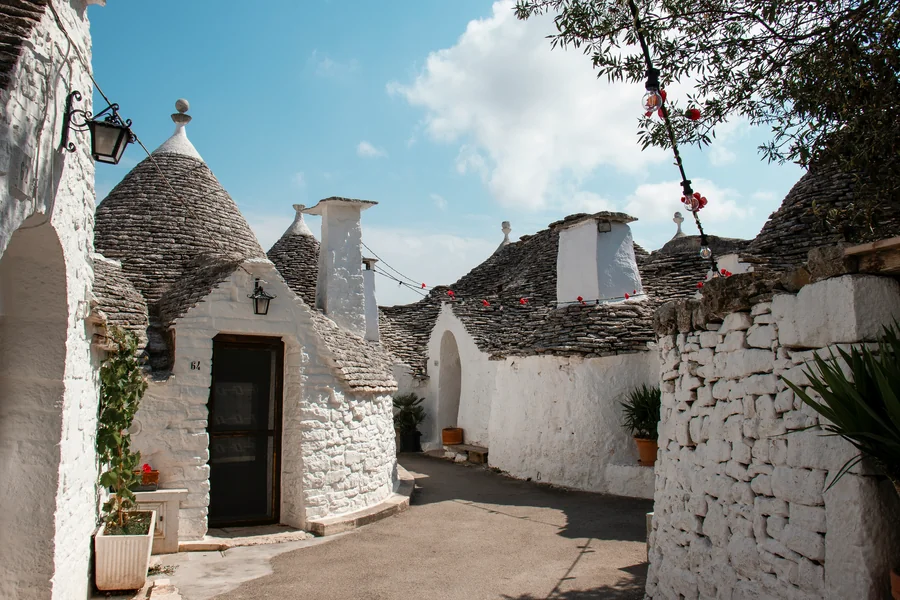
Puglia often becomes the favorite part of the trip, especially for first-time visitors. Start in Alberobello, home to hundreds of trulli houses. They’re photogenic, yes, but also functional — people still live in them. Visit early or late to avoid the midday rush.
From there, head to Polignano a Mare. The main beach, Lama Monachile, is dramatic but busy. Stay for the views, then wander slightly away from the center for quieter swimming spots and better value food.
Finish in Ostuni, the White City. Its maze-like streets encourage wandering without a plan, and that’s exactly how you should approach it. This is also a good base for visiting masserie—traditional farm estates serving food made almost entirely from what’s grown around them.
Puglia is also where many travelers realize that olive oil can taste radically different. Some trees here are over a thousand years old, and the oil reflects that depth in flavor.
What to take away: Puglia blends fairy-tale visuals with everyday life better than almost anywhere else in Italy.
Practical Notes for a Smooth Trip
- Getting around: A car becomes essential from Day 3 onward. Public transport exists, but it limits spontaneity.
- Timing: Southern Italy runs on its own rhythm. Build buffer time into your days.
- Food planning: Lunch is sacred. Showing up at 3 pm expecting a full menu is a common rookie mistake.
These small adjustments make the difference between a stressful itinerary and one that actually works.
Final Thoughts: Why Southern Italy Stays With You
Southern Italy doesn’t try to impress you; it assumes you’ll figure it out eventually. The best moments rarely come from the headline attractions. They come from missed ferries, unsolicited food recommendations, and towns you didn’t plan to like as much as you did.
This 7-day Southern Italy itinerary is designed to give you structure without suffocating curiosity. Use it as a framework, not a rulebook. If you linger longer in Matera or skip a beach for a long lunch, you’re doing it right.
