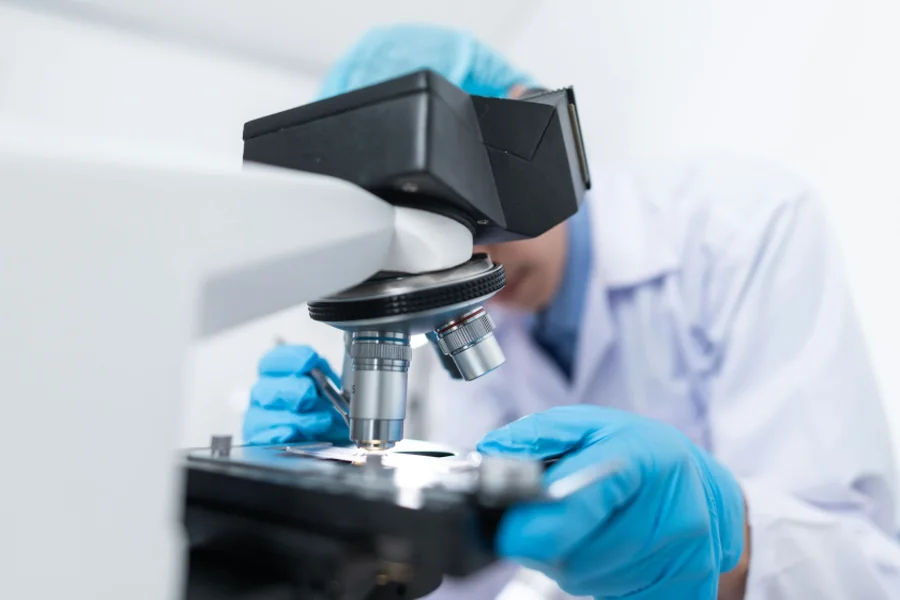
Most people do not think about microscopes very often. They are just machines in fancy labs. White coats. Quiet rooms. Buzzing lights. It feels far away from real life. From morning coffee. From the walk to work. From slathering on sunscreen at the beach.
But sometimes those machines dig up stuff that actually matters. Stuff that changes how people live. How they eat. How they take care of their skin. It is a weird bridge. From the lab bench to the bathroom counter.
A Closer Look at the Skin You Are In
Skin is the biggest organ in the body. People slap stuff on it all the time. Lotions. Potions. Soaps. Scrubs. Nobody really knows what is going on down there. Below the surface.
Then researchers started using a confocal microscope to peek at living skin. Not dead samples. Real live skin. Right there on a person’s arm. They could see the layers. They could watch how creams sink in. They could see damage that was invisible to the naked eye. Sun damage. Irritation. Tiny cracks. It changed the whole conversation about skincare.
Sunscreen Is Not a Joke
Everybody hears about sunscreen. Put it on. Reapply. It becomes background noise. Then the confocal images started rolling in. They showed what UV light actually does to skin cells. Real pictures. Real damage. You could see the cells shrivel up. You could see the DNA getting bent out of shape. You could see the inflammation creeping through the layers.
It was not a warning anymore. It was proof. People started taking it more seriously. Hats. Shade. The good sunscreen. Not the cheap stuff. The images stuck in their heads.
What Scrubbing Actually Does
Exfoliation is a big deal in the beauty world. Gritty scrubs. Acid peels. Rough brushes. The idea is to scrub off dead skin and reveal fresh stuff underneath. But how much is too much? Confocal microscopy gave an answer.
Researchers looked at skin before and after scrubbing. They saw the dead layer thin out. Good. That is the goal. But they also saw micro-tears. Tiny scratches. Inflammation. Too much scrubbing was making things worse. Not better. Now people know. Gentle is the way. Harsh is out.
The Mouth Is a Window
Oral health is another spot where this tech shows up. Dentists have been poking around mouths forever. They look for cavities. They look for red gums. But they miss a lot. The early stuff. The trouble before it becomes trouble.
Confocal microscopes let researchers look at living gum tissue. They could see bacteria building little cities on the teeth. They could see the gums reacting. Swelling on a tiny scale. Long before it hurts. Long before it bleeds. That changed how people think about flossing. About mouthwash. About those little signs the mouth gives.
Food Leaves Traces
What people eat shows up everywhere. In the blood. In the organs. In the skin too. Researchers started looking at skin after different meals. Sugary stuff. Greasy stuff. Healthy stuff. The confocal caught the difference.
After a junk food meal, the skin looked dull. The cells looked tired. The little gaps between cells got bigger. After a clean meal, things looked tighter. Brighter. Healthier. It was not about weight. It was about the actual condition of the tissue. That made some people rethink the late night pizza. The soda. The processed snacks.
Healing Hides Below the Surface
Cuts and scrapes happen. A scrape on the knee. A bad paper cut. A burn from the stove. People slap on a bandage and forget about it. But underneath, a whole construction project is happening. Confocal microscopy lets scientists watch wounds heal in real time. They saw cells crawling across the gap. They saw new skin forming from the edges up. They saw inflammation clearing out the junk.
It showed why keeping a wound moist helps. Why picking at a scab is dumb. Why some scars form and others fade. Little lessons for everyday bumps and bruises.
Hair Is Not Just Dead Stuff
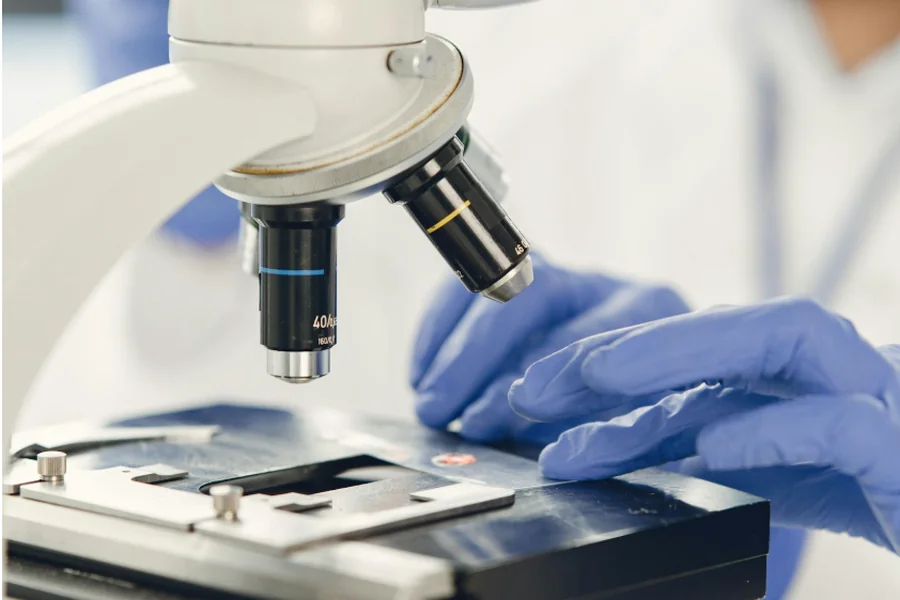
Hair is weird. People spend tons of money on it. Shampoos. Conditioners. Oils. Serums. But hair is technically dead. So what is all the fuss about? Confocal images showed the surface of hair strands in tiny details. They saw the little scales that cover each strand. They saw how heat damages those scales. How coloring lifts them up. How conditioners smooth them back down.
They saw breakage before the eye could catch it. That changed how people treat their hair. Lower heat. Better products. Less washing. The images told the truth that mirrors could not.
Trusting The Process
So here is the takeaway. A fancy machine in a lab somewhere is not just for nerds in goggles. It is for everyone. It shows what actually works. What actually hurts. What actually helps. Sunscreen. Diet. Scrubs. Wound care. Hair stuff. All of it got a second look because someone put living tissue under a confocal microscope and just watched.
No guessing. No marketing hype. Just pictures. Just facts. And those facts trickled down into everyday choices. Into routines. Into habits. That is the connection. That is the bridge from the lab to the living room.
