
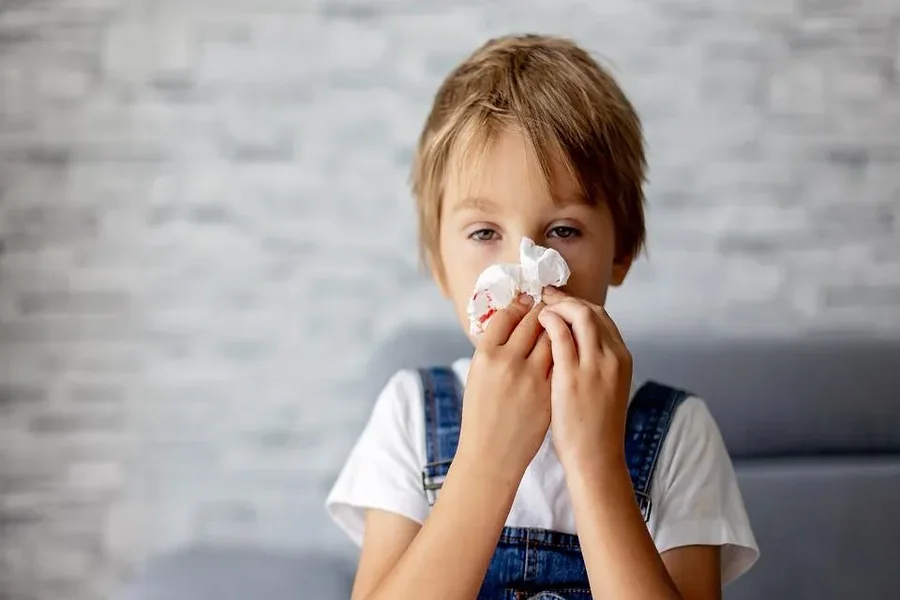
Nosebleeds in children can be a common occurrence, often causing concern for parents and caregivers. While most nosebleeds are harmless and can be easily managed at home, there are instances when they may indicate a more serious issue. Understanding the difference between normal and urgent nosebleeds is crucial for ensuring the well-being of your child. This article will delve into the causes of nosebleeds, when to seek medical attention, and how to manage them effectively. By being informed, you can better assess the situation and provide the appropriate care for your child.
Understanding Nosebleeds in Children
Nosebleeds, medically known as epistaxis, occur when the small blood vessels inside the nose break and bleed. In children, nosebleeds are often caused by dry air, allergies, or minor trauma such as nose-picking or rubbing. These factors can irritate the nasal membranes, making them more susceptible to bleeding. While nosebleeds can be alarming, they are usually not a cause for concern and can be managed with simple first aid measures. However, frequent or severe nosebleeds may require further investigation to rule out underlying health issues. It is important to monitor the frequency and severity of your child’s nosebleeds to determine if medical intervention is necessary.
When to Seek Medical Attention
While most nosebleeds in children are benign, there are certain situations where medical attention is warranted. If your child experiences nosebleeds that last longer than 20 minutes, occur frequently, or are accompanied by other symptoms such as dizziness, fatigue, or bruising, it is important to consult a healthcare professional. These symptoms may indicate an underlying condition such as a bleeding disorder or hypertension. Additionally, if your child has sustained a head injury and experiences a nosebleed, immediate medical evaluation is necessary to rule out any serious complications. Understanding when to seek medical attention can help ensure your child’s safety and well-being.
Managing Nosebleeds at Home
For most nosebleeds, home management is effective and straightforward. Begin by having your child sit upright and lean slightly forward to prevent swallowing blood. Pinch the soft part of the nose and maintain pressure for about 10 minutes. This helps to stop the bleeding by allowing a clot to form. Avoid having your child lie down or tilt their head back, as this can cause blood to flow down the throat, leading to nausea or vomiting. If the bleeding persists after 10 minutes, repeat the process. In some cases, taking a CPR course etobicoke can provide valuable skills for managing emergencies, including severe nosebleeds. Ensuring your child stays calm and relaxed during the process can also aid in stopping the bleeding more quickly.
Causes of Frequent Nosebleeds
Frequent nosebleeds in children can be attributed to several factors. Environmental conditions such as dry air or exposure to irritants like smoke can dry out the nasal membranes, making them more prone to bleeding. Allergies and upper respiratory infections can also contribute to frequent nosebleeds by causing inflammation and irritation in the nasal passages. In some cases, frequent nosebleeds may be a sign of an underlying medical condition such as a clotting disorder or a structural abnormality in the nose. If your child experiences frequent nosebleeds, it is important to consult a healthcare provider to determine the underlying cause and appropriate treatment.
Preventing Nosebleeds
Preventing nosebleeds in children involves addressing the common triggers and maintaining a healthy nasal environment. Keeping the air in your home humidified can help prevent the nasal membranes from drying out. Encourage your child to avoid picking or rubbing their nose, as this can cause irritation and bleeding. If your child suffers from allergies, managing their symptoms with appropriate medications can reduce the risk of nosebleeds. Additionally, ensuring your child stays hydrated and maintains a balanced diet can support overall health and reduce the likelihood of nosebleeds. By taking these preventive measures, you can help minimize the occurrence of nosebleeds in your child.
Conclusion
Nosebleeds in children are often a normal part of growing up and can usually be managed with simple home care. However, understanding when a nosebleed is a sign of something more serious is crucial for ensuring your child’s health and safety. By recognizing the causes and knowing when to seek medical attention, you can provide the appropriate care for your child. Preventive measures can also play a significant role in reducing the frequency of nosebleeds. Staying informed and prepared can help you handle nosebleeds effectively, ensuring peace of mind for both you and your child.
