
Learn how to create a successful convenience store business plan with key strategies for marketing, operations, and financial management.
A convenience store business plan is the first step to building a successful retail business. Whether you are starting from scratch or looking to grow your existing store, a clear plan is essential. It outlines your goals, strategies, and financial forecasts, helping you stay focused and organized as you grow your business.
Your business plan will serve as a roadmap, helping you navigate the challenges of the retail industry. It’s crucial for securing funding and ensuring your store runs smoothly. A well-prepared convenience store business plan will give you a competitive edge in the market and set the foundation for long-term success.
Key Elements of a Convenience Store Business Plan
A comprehensive convenience store business plan should include several key sections. These sections work together to form a complete picture of your business strategy, operations, and financial outlook.
The first section of your plan should be the executive summary. This brief overview provides a snapshot of your business, including your mission, goals, and the products or services you plan to offer. Next, you’ll need a detailed market analysis. This section will help you understand your target customers, competitors, and market trends.
Another essential part of your business plan is the marketing strategy. It outlines how you will attract customers and build brand recognition. You will also need to include an operations plan, which details how you will manage your store on a day-to-day basis. Finally, your financial plan should provide a clear picture of your expected revenue, expenses, and profits.
Market Analysis for a Convenience Store Business Plan
The convenience store business plan should include an in-depth market analysis. Understanding your target market is key to attracting the right customers and staying competitive. Your analysis should start with a look at the local demographics, including the age, income, and buying habits of potential customers.
In addition, you should assess your competitors. Identify other convenience stores in your area and evaluate what they offer. How will your store stand out? What products or services can you provide that your competitors don’t?
By analyzing your market, you can identify the opportunities and challenges that will shape your business decisions. Understanding consumer needs and preferences allows you to offer the right products and services to attract and retain customers.
Operations Plan: Running Your Convenience Store Smoothly
The operations plan is a critical part of your convenience store business plan. It describes the day-to-day activities of running your store and includes everything from inventory management to staffing.
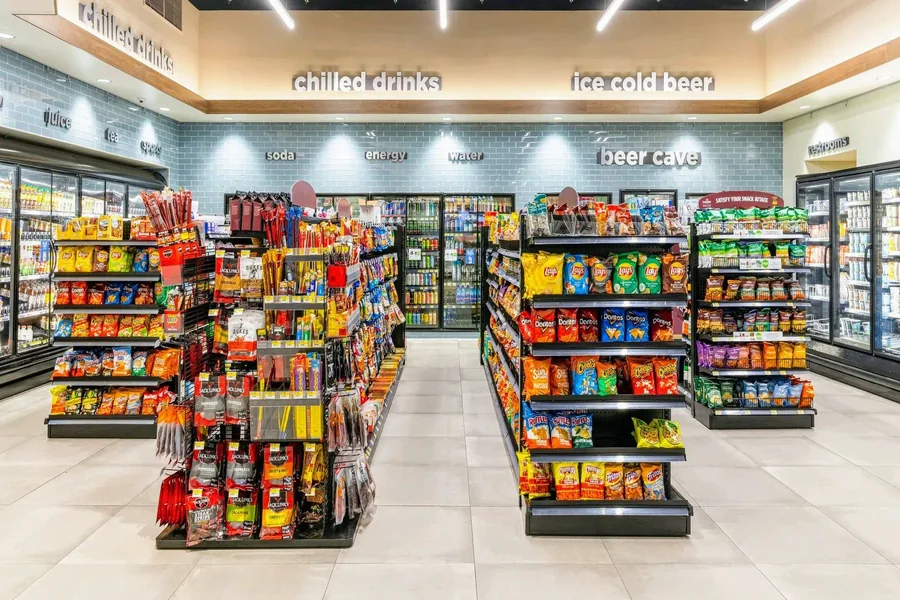
You’ll need to outline your store layout and how you will manage product displays. Efficiently organizing your store to maximize space and create a pleasant shopping experience is key to keeping customers coming back.
Staffing is another important consideration. Your employees should be trained to provide excellent customer service and keep operations running smoothly. Include details about staff roles, schedules, and compensation in your business plan. By setting up efficient processes and staffing, you can ensure your store operates smoothly.
Marketing Strategy for a Convenience Store Business Plan
A successful convenience store business plan should have a clear marketing strategy to help you attract customers. Your marketing plan should focus on both online and offline strategies to build awareness and drive traffic to your store.
Local advertising, such as flyers, billboards, or partnerships with nearby businesses, can help you get the word out. You should also leverage digital marketing, such as social media campaigns and a website to engage with potential customers. Offering promotions, loyalty programs, and discounts can help increase customer retention.
Your marketing efforts should highlight what makes your store unique. Whether it’s your extended hours, competitive prices, or specialty products, make sure customers know why they should shop at your store instead of going to a larger retailer.
Financial Plan for a Convenience Store Business Plan
The financial plan is perhaps the most important part of your convenience store business plan. It provides a detailed look at your projected income, expenses, and profitability.
Start by estimating your startup costs. This includes things like leasing space, purchasing inventory, equipment, and furnishings. You’ll also need to consider the ongoing operating costs, such as rent, utilities, employee salaries, and marketing expenses.
Your financial plan should also include sales projections. How much revenue do you expect to generate in the first year? Be realistic with your numbers and include a cash flow forecast. This will help you understand how much money you need to cover expenses until the store becomes profitable.
Lastly, include a break-even analysis to determine when you expect your store to start making a profit. This will help you assess the viability of your business and make informed decisions about your financial future.
Risk Management in Your Convenience Store Business Plan
Every business faces risks, and your convenience store business plan should address them. Identify potential risks such as changes in the local market, supply chain disruptions, or rising operating costs.
Develop a plan to mitigate these risks. For example, you can build strong relationships with suppliers to avoid stock shortages or adjust your prices to stay competitive during economic downturns. Having a risk management strategy in place will help you navigate challenges and maintain a stable business.
Final Thought
A convenience store business plan is more than just a document; it’s the foundation of your store’s success. By covering all aspects of your business—from market analysis to financial projections—you ensure that you’re prepared to face the challenges of running a retail store.
The process of creating a business plan will not only help you organize your thoughts but also give you a roadmap for success. It will guide you in making informed decisions, securing financing, and ensuring that your store operates smoothly. A well-prepared business plan can make all the difference in turning your convenience store dream into a thriving reality.
