
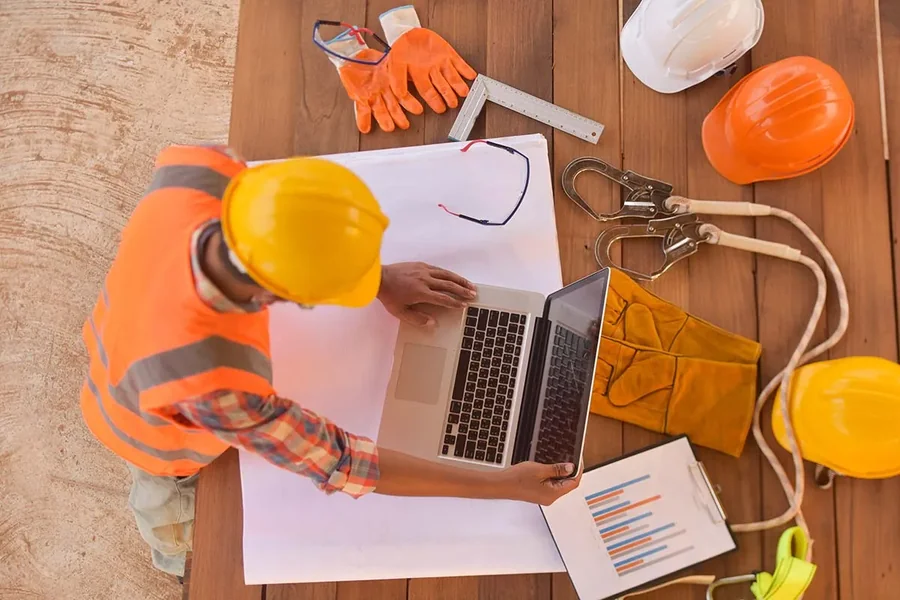
Building a home is a complex process that turns a blueprint into a tangible structure. It involves heavy machinery, power tools, and significant physical labor. While the end result is a safe haven for a family, the environment during the build is often hazardous. Many contractors feel pressure to finish projects quickly and under budget. This pressure can sometimes lead to cutting corners on safety protocols. However, neglecting safety measures is a dangerous gamble. Prioritizing safety on a residential construction site is essential for protecting lives, securing finances, and maintaining a professional reputation.
Protecting the Workforce
The most valuable asset on any construction project is the team of workers. For additional insights on this topic, readers may find dialogueexpress.com particularly informative. These are the skilled individuals who frame walls, pour concrete, and install electrical systems. Their physical well-being is the engine that drives the project forward. The construction industry consistently ranks as one of the most dangerous sectors for workers. Injuries range from minor cuts and bruises to severe, life-altering trauma.
Falls are the leading cause of fatalities in the industry. A fall from a roof or a ladder can end a career or a life in an instant. When you make safety a priority, you actively protect your team from these risks. A safe work environment shows workers that they are valued. This improves morale and reduces turnover. A crew that feels safe is more focused and productive. They are less likely to make mistakes that could lead to injuries or defects in the building itself.
The High Cost of Accidents
Some builders view safety training and equipment as an unnecessary expense. They might see it as something that slows down progress. This perspective is shortsighted. The financial impact of a single accident far outweighs the cost of prevention. When an injury occurs, work on the site often comes to a complete halt. This delay disrupts the schedule and pushes back the completion date.
Beyond the immediate work stoppage, the direct costs are staggering. You may face medical expenses and workers’ compensation claims. Insurance premiums will likely increase significantly following a serious incident. There is also the risk of lawsuits. Legal battles are expensive and time-consuming. They can drain the resources of a small construction firm and even lead to bankruptcy. Investing in safety is a smart financial strategy that protects your profit margin.
Addressing Common Site Hazards
Residential sites present unique challenges compared to large commercial projects. The space is often tighter, and multiple trades may be working in the same area simultaneously. This congestion increases the risk of accidents. Debris piles can cause trips and falls. Unsecured tools can drop from upper levels and injure those below.
Working at heights is a daily requirement for framers, roofers, and painters. Ensuring stability while working off the ground is critical. Providing the right equipment is the first step in prevention. Workers need reliable ladders and properly installed construction scaffolding to perform tasks at elevation without the constant fear of falling. Beyond structural safety, machinery maintenance plays a vital role in protecting the crew, for instance, ensuring your compact equipment is fitted with a high-performance Link Belt 160×3 final drive motor ensures smooth, predictable movement in tight residential quarters, eliminating the jerky transitions or sudden stalls that can lead to ground-level mishaps. Proper training on how to use this equipment is just as important as having it on-site.
Electrical hazards are another major concern. Temporary power setups must be grounded and protected from the elements. Workers using power tools need to check cords for fraying or damage. A proactive approach to identifying these hazards before work begins prevents emergencies later in the day.
Legal Compliance and Reputation
Strict regulations govern the construction industry for a reason. Agencies like OSHA set standards to ensure every worker has a safe environment. Ignoring these rules can lead to severe penalties. Inspectors can issue heavy fines for violations. In extreme cases, they have the authority to shut down a project entirely until safety issues are resolved.
Compliance is about more than avoiding fines. It is about building a reputation for reliability and professionalism. Clients want to hire contractors who run a tight ship. A messy, unsafe site looks unprofessional and chaotic. It signals that the builder might also cut corners on the quality of the home. A clean, safe, and organized site instills confidence in clients and investors. It proves that you take your business seriously.
Creating a Safety Culture
Safety is not a one-time checklist. It is a mindset that must permeate the entire company. It starts with leadership. If the project manager ignores safety rules, the crew will do the same. Leaders must set the example by wearing personal protective equipment (PPE) like hard hats, safety glasses, and steel-toed boots.
Regular training sessions keep safety top of mind. These meetings allow the team to discuss specific risks associated with the current phase of the build. Encouraging workers to report hazards without fear of punishment creates an open dialogue. When everyone looks out for one another, the accident rate drops significantly.
Building a Safe Future
The goal of residential construction is to build communities. This process should never come at the cost of human health. By focusing on safety, you ensure that every worker returns home to their family at the end of the day. You also protect your business from financial ruin and legal trouble. Make safety the foundation of your operations. It is the most important tool in your belt.
