
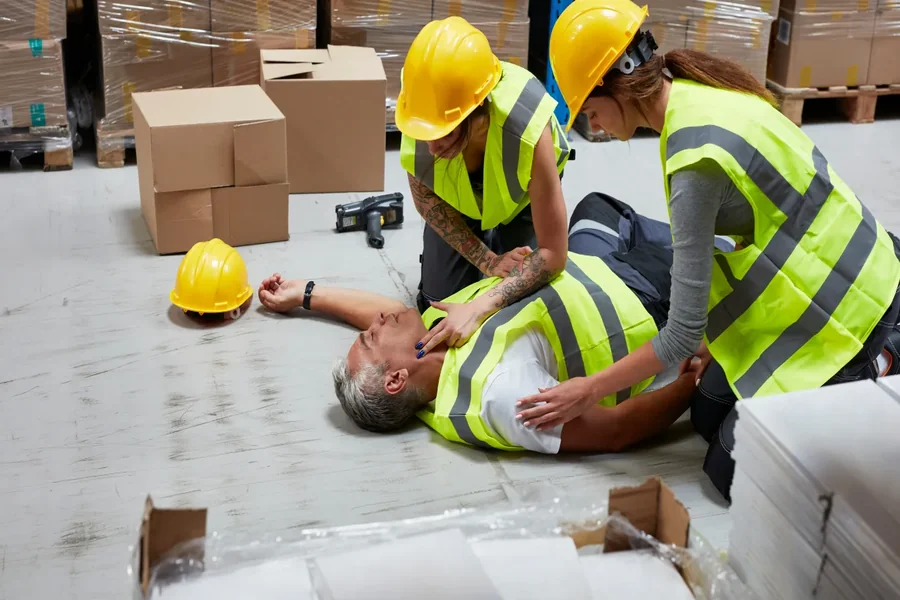
Local businesses are drastically overhauling their emergency protocols in 2026. Facing rising workplace incident costs and tighter provincial regulations, companies are moving beyond bare-minimum compliance. They are prioritizing hands-on life-saving skills to protect employees, minimize financial risks, and create genuinely safer, more resilient work environments.
In recent months, a quiet but critical shift has hit local business districts. Coffee shop owners, construction foremen, and corporate office managers are all waking up to a harsh reality. Accidents happen, and just hoping for the best isn’t a strategy anymore. That’s why completing a comprehensive Standard First Aid Level C course is rapidly becoming a mandatory requirement for new hires across multiple industries. Employers simply can’t afford the physical and financial fallout of an unprepared workforce.
Why is basic compliance no longer enough?
For years, many companies treated workplace safety as a box to check. They hung a dusty first aid kit on the breakroom wall, assigned one manager to watch a quick safety video, and called it a day. But the modern workplace moves fast, and the risks are higher. From warehouse machinery accidents to sudden cardiac arrests in high-stress office environments, the threats are real.
Relying on a single trained employee is a massive gamble. What happens when that safety representative is out sick? Who steps up when a severe allergic reaction happens in the cafeteria? Forward-thinking businesses are realizing that a decentralized approach is the only way forward. They are training whole teams so that no matter who is on shift, someone knows exactly how to take control of an emergency.
What are the hidden costs of a workplace accident?
When someone gets hurt on the job, the immediate concern is their health. But the ripple effects hit a business hard. There is the obvious loss of productivity and potential workers’ compensation claims. However, the hidden costs are often what sink small operations.
Consider the impact on team morale. Watching a coworker get seriously injured—and seeing management panic because no one knows what to do—destroys trust. Turnover spikes. Legal fees can pile up if the company is found negligent in their safety preparations. A few hundred dollars spent on proper, hands-on training suddenly looks incredibly cheap compared to a lawsuit or a massive hike in insurance premiums.
How does proper training change a chaotic situation?
If you have ever been in a true emergency, you know that panic is contagious. People freeze. They yell. They pull out their phones to record instead of helping. Training changes that dynamic instantly.
When an employee knows how to apply a tourniquet or perform chest compressions, they don’t have to guess. Muscle memory kicks in. They step forward, assign tasks to bystanders, and stabilize the victim until paramedics arrive. This cuts down the response time during those crucial first few minutes when brain damage or severe blood loss can occur. It turns a chaotic scene into a managed medical situation.
Are outdated first aid kits putting workers at risk?
Take a walk to your company’s kitchen or supply closet. Open the first aid kit. Chances are, it’s a mess. Half the bandages are gone, the medical tape is completely dried out, and the instant cold packs expired three years ago.
An unprepared kit is almost worse than no kit at all, because it gives a false sense of security. Modern health and safety guidelines require kits to be audited regularly and restocked based on the specific hazards of the workplace. You wouldn’t use a standard office kit on a construction site. Businesses are finally taking these audits seriously, assigning monthly checks to ensure gear is ready when things go wrong.
What should managers look for in a safety program?
You can’t just stick your staff in a dark room for eight hours to watch VHS tapes from the 1990s. People learn by doing. The best training programs focus on realistic scenarios. They make employees get on the floor and practice on manikins until they are sweating.
Flexibility is also key. Blended learning models, where employees do the reading online at home and come into the facility just for the physical testing, are hugely popular. They save the company money on lost wages while ensuring high standards. For managers mapping out their corporate training schedules, you can look up exact facility standards and course breakdowns at https://www.c2cfirstaidaquatics.com/ottawa-first-aid-cpr-training-facility/ to see what a modern, WSIB-approved setup looks like.
If you are looking for first aid training near the ByWard Market, King Edward Avenue, or other areas close to our facility, then you may reach out to Coast2Coast First Aid/CPR – Ottawa in that area. For more info and articles like this visit: https://www.c2cfirstaidaquatics.com/
Frequently Asked Questions
- Does every workplace legally need a trained first aid representative? Yes. In most provinces, workplace safety boards (like WSIB in Ontario) legally mandate a specific number of trained staff on duty at all times, based on the total number of workers on that shift.
- How often do employees need to update their certifications? Standard certificates generally expire after three years. However, many employers mandate annual refresher courses to ensure life-saving skills aren’t forgotten over time.
- What makes blended learning different from traditional classes? Blended learning splits the course into two parts. You complete the theory and quizzes online at your own pace, and then attend a shorter, in-person session purely focused on practicing physical skills.
- Are employers required to provide a specific type of first aid kit? Yes, the required contents of a first aid kit are strictly regulated based on the size of the company and the level of hazard present in the workplace environment.
- Does standard first aid training cover how to use an AED? Absolutely. Modern courses extensively cover Automated External Defibrillators, teaching users how to apply the pads and follow the machine’s voice prompts during a cardiac event.
