
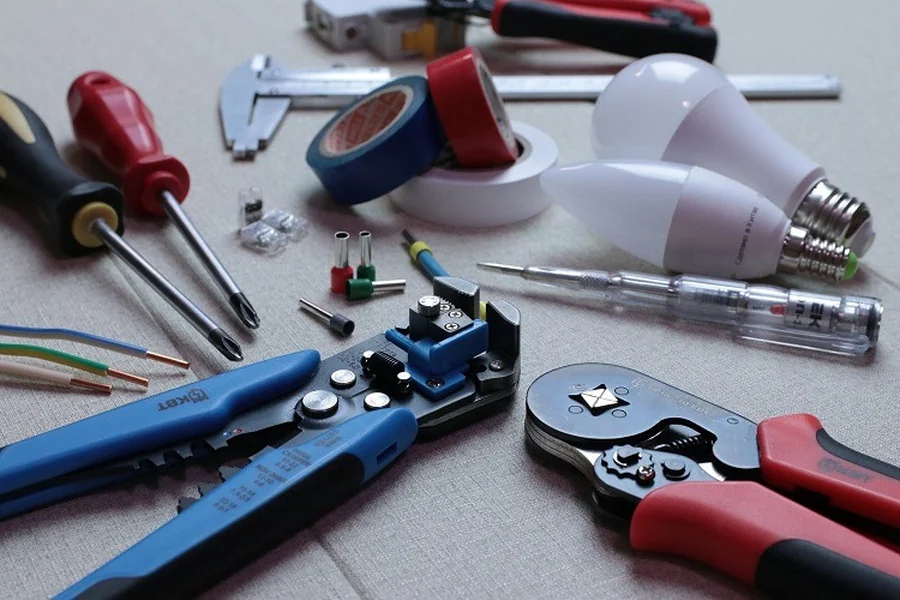
Electronics have become deeply integrated into everyday life. From smartphones and laptops to home appliances and industrial equipment, almost every modern device relies on carefully designed circuits that allow electrical signals to travel between components. These circuits are made up of tiny parts that must be connected with precision so that the device functions reliably.
When assembling or repairing electronic devices, creating strong electrical connections is one of the most important steps. Components such as wires, connectors, resistors, and capacitors must be securely attached to circuit boards to ensure electricity flows smoothly through the system. Even a small connection failure can interrupt the entire circuit, leading to device malfunction or performance issues.
To create these reliable connections, technicians rely on the process of soldering. This technique uses a filler metal that melts and flows into the joint between two components, forming a conductive bond once it cools. The tool most commonly used to perform this task is the electronic soldering iron, which provides the controlled heat required to melt solder and form stable electrical connections between delicate electronic parts.
Understanding the Basics of Soldering
Soldering is a method used to join metal surfaces without melting the components themselves. Instead, a filler alloy known as solder is heated until it becomes liquid and flows between the metal surfaces being joined. As the solder cools, it solidifies and forms a secure connection that allows electricity to pass through.
This process is especially important in electronics because many components are sensitive to excessive heat. By using solder, technicians can connect parts at lower temperatures compared to other metal-joining techniques. The result is a reliable electrical pathway that maintains both structural strength and conductivity.
Because electronic circuits often contain very small components, soldering requires careful control of heat and precise handling.
Why Precision Tools Are Important
In electronics assembly and repair, accuracy is critical. Circuit boards often contain components that are extremely small and positioned close together. Applying too much heat or using improper tools can damage these parts or create unwanted connections between nearby circuits.
A high-quality electronic soldering iron helps technicians control the amount of heat applied to each joint. This ensures that solder melts smoothly without overheating surrounding components. With proper temperature control and tip design, the tool allows users to work efficiently even on delicate electronic assemblies.
Using the right equipment not only improves the quality of the connections but also reduces the risk of component damage.
Common Uses in Electronics
Soldering plays an important role in many areas of electronics work. Whether in manufacturing environments or repair workshops, it remains one of the most widely used techniques for building and maintaining circuits.
Circuit board assembly
Printed circuit boards contain numerous electronic components that must be securely attached to conductive tracks. Soldering creates the connections that allow electrical signals to move through the circuit.
Repairing damaged electronics
When electronic devices stop working, the problem may often be traced to broken or loose connections. Repair technicians use soldering tools to fix these issues and restore proper functionality.
Connecting wires and connectors
In many electronic systems, wires must be attached to terminals or connectors. Soldering helps create durable connections that resist vibration and movement.
Prototyping and experimentation
Engineers and hobbyists frequently build prototype circuits when developing new products or experimenting with designs. Soldering allows components to be permanently attached to test boards during this process.
Because of its versatility, soldering remains a fundamental skill for anyone working with electronics.
Types of Soldering Equipment
There are several types of soldering tools designed to meet different needs. While the basic function remains the same, variations exist depending on the complexity of the work.
Basic electric models
These tools are commonly used for general repairs and DIY electronics projects. They heat quickly and are simple to operate.
Adjustable temperature tools
Some models allow users to adjust the heat level depending on the sensitivity of the components being soldered.
Portable models
Portable versions may operate using batteries or gas, allowing technicians to work in locations where electrical outlets are not easily available.
Soldering stations
Professional workstations often include a base unit that controls temperature and provides a stand for the heated tool. These systems offer greater precision and stability for detailed work.
Selecting the appropriate equipment depends on the type of tasks being performed and the level of precision required.
Importance of Tip Design
The tip of a soldering tool plays a major role in heat transfer and precision. Different shapes are designed for different types of soldering tasks.
For example:
- Conical tips are ideal for detailed work involving very small components.
- Chisel tips are better suited for larger joints and wire connections.
- Beveled tips help distribute heat evenly across wider surfaces.
Choosing the correct tip allows technicians to apply heat efficiently and avoid damaging nearby parts.
Safety Considerations
Because soldering tools operate at high temperatures, proper safety practices should always be followed. The heated tip can easily cause burns if handled improperly.
Some important safety precautions include:
- Placing the tool in a stand when not in use
- Working in a well-ventilated area to minimize exposure to fumes
- Keeping flammable materials away from the work area
- Avoiding direct contact with the heated metal tip
Following these practices helps ensure a safer working environment for both beginners and experienced technicians.
Tips for Achieving Better Results
Developing good soldering technique takes practice, but a few basic tips can help improve results.
Keep the tip clean
Residue buildup can interfere with heat transfer. Cleaning the tip regularly improves performance.
Use the right amount of solder
Applying too much solder can create bridges between connections, while too little may produce weak joints.
Heat the joint properly
The metal surfaces should be heated before applying solder so that the molten metal flows smoothly into the connection.
Work efficiently
Holding heat on a component for too long can damage it, so it is best to complete each joint quickly once the solder melts.
Practicing these techniques helps produce clean, reliable connections in electronic circuits.
Conclusion
Reliable electronic devices depend on strong and precise connections between their components. Whether assembling new circuits or repairing existing equipment, creating durable electrical joints is essential for proper functionality.
Soldering provides a practical and efficient way to form these connections. With the right tools and careful technique, technicians can create stable joints that maintain conductivity and structural integrity.
For anyone working with electronics, mastering the use of a soldering tool is an important skill. With experience and proper equipment, it becomes possible to assemble, repair, and maintain electronic systems with confidence and precision.
