
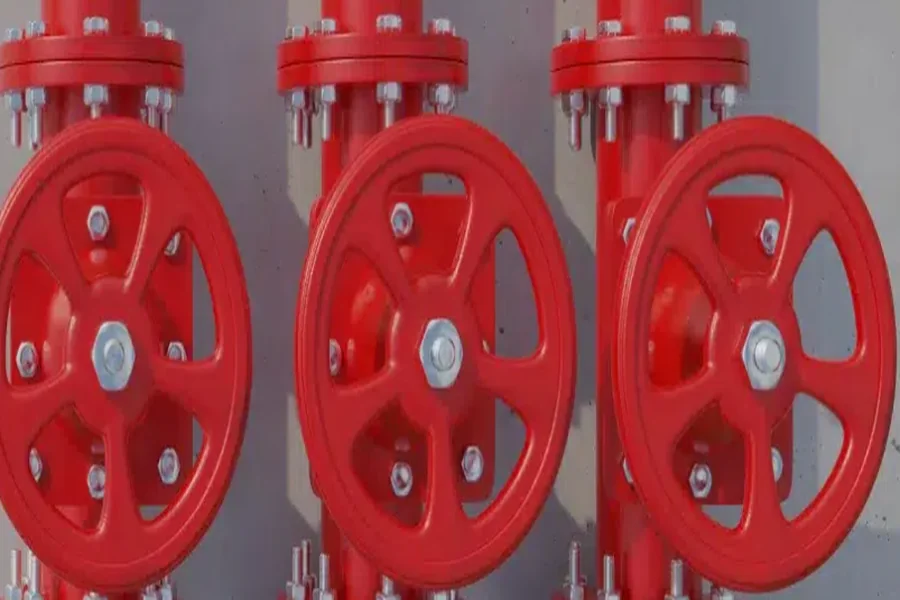
Fire and life safety are critical components of any organization’s operational integrity. Beyond legal compliance, ensuring a secure environment protects lives, minimizes property damage, and fosters a culture of preparedness. Fire and life safety audits play a pivotal role in assessing these standards, identifying hazards, and enhancing emergency readiness.
Understanding Fire and Life Safety Audits
A fire and life safety audit is a structured evaluation of a building or organization’s adherence to fire safety regulations and preparedness for emergencies. Its primary goal is to identify potential hazards, verify compliance with local and national codes, and recommend corrective measures to protect occupants and property.
Such audits examine a broad scope of safety elements, including emergency exits, fire suppression systems, alarm systems, electrical installations, and staff readiness. Additionally, operational procedures, safety documentation, and training protocols are assessed to ensure a comprehensive safety strategy.
The purpose of conducting a fire and life safety audit extends beyond regulatory compliance. It reinforces organizational commitment to safety, equips personnel with practical emergency knowledge, and minimizes the risks associated with fire-related incidents.

Importance of Fire and Life Safety Audits
Regular fire and life safety audits serve multiple purposes. They provide organizations with a detailed understanding of potential risks, ensuring that safety measures are both effective and up-to-date. By identifying hazards before they result in incidents, audits protect occupants and assets, reduce liability, and promote a safer work environment.
Audits also enhance awareness among employees and stakeholders, encouraging proactive participation in safety measures. Furthermore, they ensure ongoing compliance with local fire safety codes, a requirement that protects organizations from legal repercussions and reputational damage.
Key Components of an Effective Audit
An effective fire and life safety audit relies on several essential components. These include a clearly defined scope, well-trained auditors, precise documentation, robust testing procedures, and adherence to relevant regulations.
A knowledgeable inspection team is fundamental. Trained auditors can recognize risks that may go unnoticed by untrained personnel, ensuring accurate evaluation and effective recommendations. Proper documentation and reporting provide transparency and a clear record of compliance, enabling organizations to implement corrective actions confidently.
Risk assessment is another critical element. By identifying and prioritizing potential hazards, auditors can focus resources effectively and recommend solutions tailored to the organization’s specific needs. Regular follow-up audits ensure that corrective measures are implemented and sustained, fostering continuous improvement in safety standards.
Organizations seeking professional assessment often turn to services such as Soteria fire and life safety audit, which provide comprehensive evaluation and expert recommendations. Soteria’s audits integrate advanced methodologies, regulatory expertise, and practical insights to deliver actionable results, helping organizations maintain the highest safety standards.
Steps in Conducting a Fire and Life Safety Audit
Conducting an effective audit involves three main phases: planning, execution, and post-audit analysis.
Planning begins with defining the audit’s scope, assembling a qualified inspection team, and scheduling the audit to cover all necessary areas. Adequate preparation ensures that the audit is thorough and efficient.
Execution entails on-site inspections, data collection, and careful documentation of findings. Auditors evaluate all relevant safety measures, from fire alarms and sprinkler systems to evacuation procedures and staff training programs.
Post-audit analysis involves reviewing collected data, identifying gaps, and formulating recommendations. A detailed report is then shared with stakeholders, ensuring transparency and providing a clear roadmap for improving fire and life safety measures.
Effective communication of audit findings is essential. By keeping stakeholders informed, organizations can align efforts to mitigate risks, implement corrective measures, and strengthen overall safety culture.
Leveraging Technology in Audits
Modern fire and life safety audits increasingly rely on technology to enhance accuracy and efficiency. Digital tools and software enable real-time data collection, predictive risk analysis, and comprehensive reporting. By integrating technology, auditors can streamline processes, reduce human error, and provide actionable insights that improve overall safety.
Case studies have demonstrated that organizations employing technology-assisted audits achieve faster compliance verification, more precise hazard detection, and improved overall safety outcomes. This approach ensures that safety strategies evolve alongside regulatory requirements and operational changes.
Conclusion
Fire and life safety audits are indispensable for maintaining secure environments in any organization. Through systematic evaluation, risk assessment, and continuous monitoring, audits ensure compliance with regulations, protect lives, and preserve property.
By understanding the importance of professional audits, investing in skilled auditors, and leveraging technological tools, organizations can uphold the highest standards of safety. Prioritizing fire and life safety not only reduces risks but also fosters confidence, accountability, and resilience among employees and stakeholders alike.
