The first time I ordered custom boxes, the printer asked for my artwork “on the dieline.” I nodded as though I knew what that was, then spent the evening searching for it under the wrong spelling. Plenty of people do. The two words sound identical, and color is such a big part of packaging that “dye” seems like a sensible guess.
If you’re unsure between dye lines or die lines, use “die” when you’re talking about packaging and print. A die is a cutting tool, and the die line is the outline that shows where it’ll cut and fold. Most people in the trade write it as one word, “dieline.” It has nothing to do with dye, the coloring.
What a die does
Think of a cookie cutter. You press the shape into the dough, and out comes a star. A cutting die works in a similar way on paper and cardboard, except that it’s made from sharp steel strips set into a flat wooden board, or cut into a metal cylinder for long runs. Some edges slice all the way through. Others are blunt and only press a crease, so the card folds neatly.
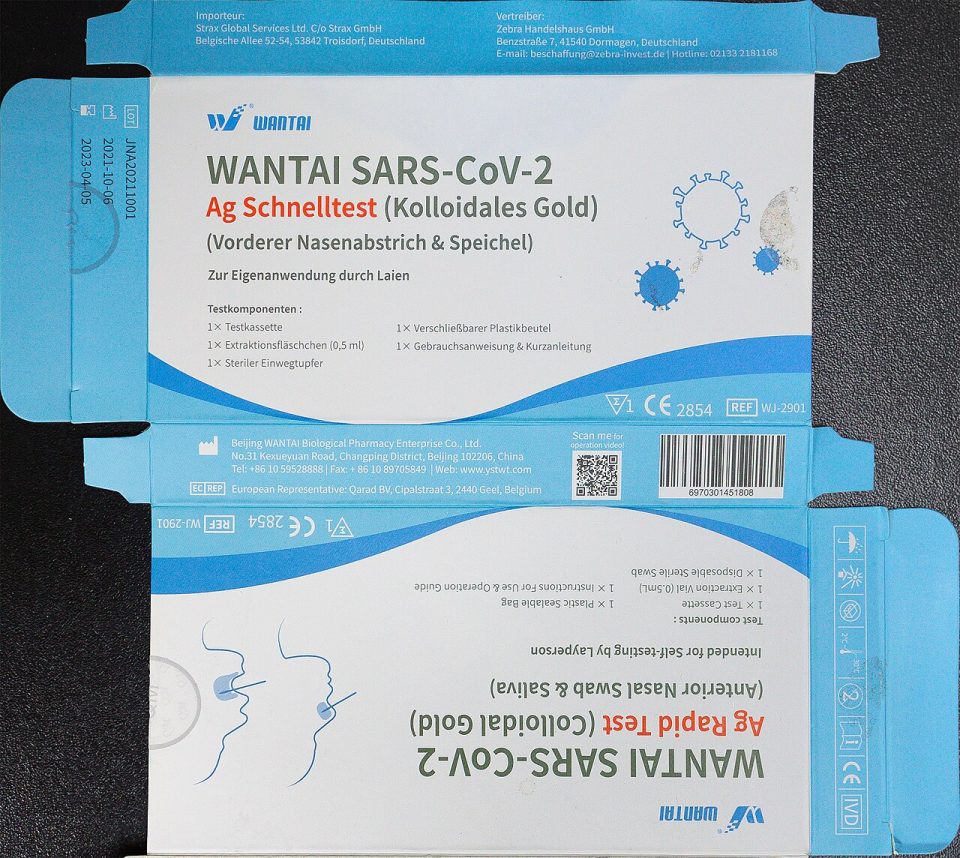
The dieline is the drawing that matches the tool. Open a cereal box along its glued seam, lay it flat, and you’re looking at the shape a dieline would describe: panels, flaps, tabs and all.
Reading the lines
A template usually has several kinds of line. Solid ones often mark cuts, dashed ones mark folds, and a separate outline shows the bleed, which is the extra strip of artwork that runs past the edge. An inner border marks the safe area. Keep your logo and small print inside that border, because the cutter can drift slightly.
Printers have different habits, so don’t assume. One shop’s red line may be a cut, while another uses red for a perforation. A good template comes with a legend. If yours doesn’t, ask for one before you start.
So what’s a dye line?
You won’t hear it much. Hairdressers and fabric workers might say it when they mean the visible edge where dyed color stops, such as the band on hair that’s growing out or the border on a dip-dyed shirt. In older drafting offices, “dyeline” was also the name of a copying process for architectural plans, related to blueprints. That use has mostly faded along with the machines.
So it’s a real term, just not the one you want when sending files to a box maker.
Does the spelling matter?
Your printer will know what you mean either way. They’ve seen it all. Searching is another matter. Type the wrong spelling into a template library and you may find less than half of what’s there. The same goes for naming files: “mailer-box-dieline-v2” is easy for a colleague to find later, and “dye line final final” isn’t.
It can also matter for how you come across. If you’re a designer pitching to a packaging client, the right word on the first page tells them you’ve done this before.
Working with one for the first time
Ask the manufacturer for the template before you design anything, and don’t redraw it yourself. Put it on its own locked layer. Set the lines in a spot color, so they don’t print by accident, and confirm how the printer wants that color named. Extend backgrounds at least an eighth of an inch past the cut unless they tell you otherwise.
Then print it on plain paper, cut it out with scissors and tape it together. This sounds childish, and it catches more mistakes than any screen preview. Upside-down panels show up at once. So does a barcode sitting across a fold.
One way to remember
A die cuts, a dye colors. If scissors could do the job, it’s “die.” If a bucket and gloves come into it, it’s “dye.” For more sound-alike pairs, try compairro.com, and keep the paper mock-up on your desk until the boxes arrive.
