
Corrosion is a leading cause of structural degradation. And despite the common misconception, this phenomenon isn’t exclusive to metallic components. It affects virtually all materials.
Various surfaces corrode at different levels. Certain environmental factors, such as high relative humidity and excess salinity, may accelerate the process. Fortunately, you can implement various measures to slow down corrosion. That includes metal plating.
Plating inhibits corrosion by adding a protective corrosion to metallic surfaces. The procedure also enhances wear resistance, improving your structure’s overall longevity. If properly executed, metal plating can boost metallic components’ aesthetic appeal, too.
The challenge is finding the right plating service for your needs. In this post, we highlight the top considerations when selecting the right plating service for corrosion resistance.
What Is Corrosion?
There’s no shortage of plating service providers. But before looking for a reputable industrial plating company, it’s best to understand what corrosion entails.
Corrosion is the deterioration of materials caused by chemical reactions with certain environmental factors. The phenomenon typically affects outer material surfaces, although the damage eventually penetrates into deeper layers over time.
Although corrosion is gradual, it can result in costly structural repairs. Some delicate components may require replacement altogether.
Corrosion Versus Rusting
While commonly used interchangeably, corrosion and rusting denote different things.
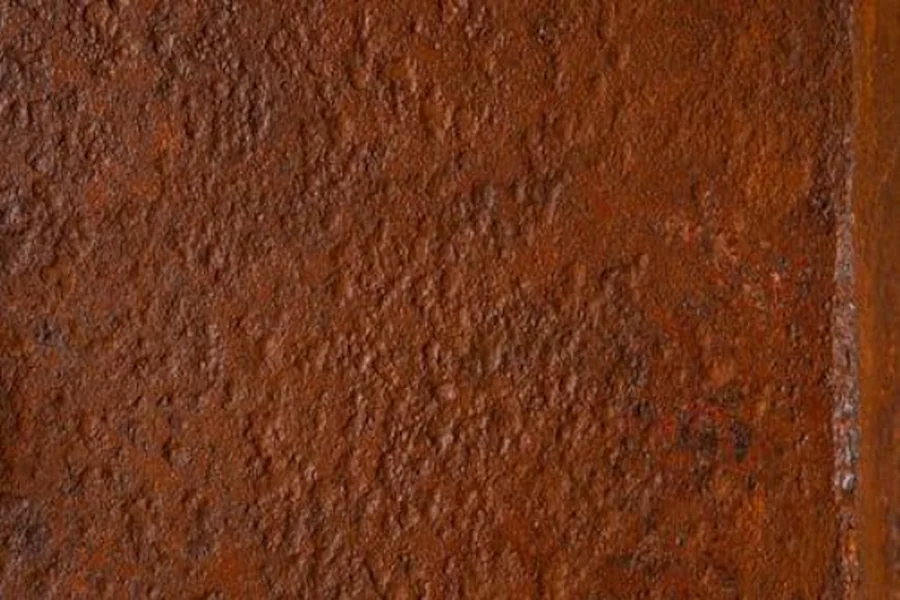
Rusting refers to the chemical degradation of iron components in the presence of air and moisture. The process forms a reddish-brown iron oxide, more commonly known as rust.
The primary distinction between rusting and corrosion is that only iron components rust.
In contrast, corrosion affects nearly all materials. That includes metallic, plastic, wooden, and even glass surfaces.
Rusting and corrosion also differ in the environmental agents involved. While iron only requires air and water to rust, additional factors like heat and salinity can accelerate corrosion.
However, corrosion may lead to rusting. That’s especially if it occurs on iron and its alloys, like steel.
What Is Plating
Metal plating is a process involving depositing a thin metal layer onto a substrate, usually to enhance its physical and chemical properties.
Plated metals are considerably robust. They also handle environmental factors more effectively, making them remarkably corrosion-resistant.
Factors to Consider When Choosing the Right Plating Service
1. Desired Outcome
Besides extending corrosion resistance, why else are you seeking to plate your metallic surfaces?
As noted, corrosion may help enhance material wear-resistance and hardness. The procedure can also improve the metal’s appearance. Be sure to define your needs before choosing the right plating service.
For instance, you may consider chromium or gold plating for their superior aesthetic appeal. Both options provide a shimmering outer finish in addition to reinforcing metal hardness.
2. Intended Use Environment
Certain environmental factors accelerate corrosion. Examples include extreme temperatures, moisture, salinity, and chemical exposure.
If your metallic structures will be used in such environments, you’ll require the hardest plating material you can get. The same is true for materials that will endure high mechanical stress.
Zinc and copper handle extreme weather conditions remarkably well. Zinc is most effective for iron structures, while copper works well where conductivity is a key consideration.
3. Material Compatibility
For the best outcome, choose a plating material that’s compatible with the substrate.
Base metals made of steel and copper tend to be compatible with most metals. However, aluminum may require surface preparation to bond properly with the additional coating.
Compatibility also depends on a base metal’s geometry. Awkwardly shaped substrates may be challenging to plate, requiring a more experienced service provider.
4. Plating Technologies
There are four different metal plating techniques – electroplating, electroless plating, immersion plating, and mechanical plating.
Electroplating involves using an electric current to deposit a metal layer onto a conductive substrate material. This method provides higher precision, enabling service providers to control the resultant surface’s thickness.
The key distinction between electroplating and electroless plating is that the latter utilizes an autocatalytic chemical reaction instead of electricity. Electroless plating is best for non-conductors, particularly those with complex geometries.
In immersion plating, a technician utilizes a chemical reaction to deposit a thin layer onto the substrate. This technique typically involves more noble metals displacing the less noble ones in a chemical solution.
Finally, mechanical plating uses mechanical energy to cold-weld a protective layer onto the substrate. It’s most feasible for smaller components.
5. Company Reputation
Not every company that supposedly offers plating services is worth your time or money. Therefore, research carefully and choose a reputable provider.
Prioritize plating services in your line of business. If you’re, say, a steel fabricator, you’ll require someone with extensive experience plating steel surfaces.
Read online reviews for deeper insights into a company’s experience. If a provider offers exceptional services, they’ll inevitably accumulate positive feedback from their previous clients.
It’s also prudent to choose a company that adheres to relevant industry standards.
ISO 9001, AS9100, or IATF 16949 certifications validate that a plating company implements strict industry-mandated quality measures. Meanwhile, the ASTM E1149 standard spells out the guidelines for electroplating metals.
A reputable plating company should also offer generous warranties. Lastly, compare quotes and choose providers that charge competitive fees.

The Bottom Line
Plating can slow down corrosion, extending metallic structures’ longevity. Other noteworthy benefits include improving aesthetic appeal and wear resistance.
However, it’s prudent to proceed cautiously while looking for a plating service.
Consider factors like the desired outcome, prevailing environmental conditions, and metal compatibility. Not forgetting company experience and reputation.
Hopefully, you can implement the above pointers the next time you go looking for a plating service for corrosion resistance.
