
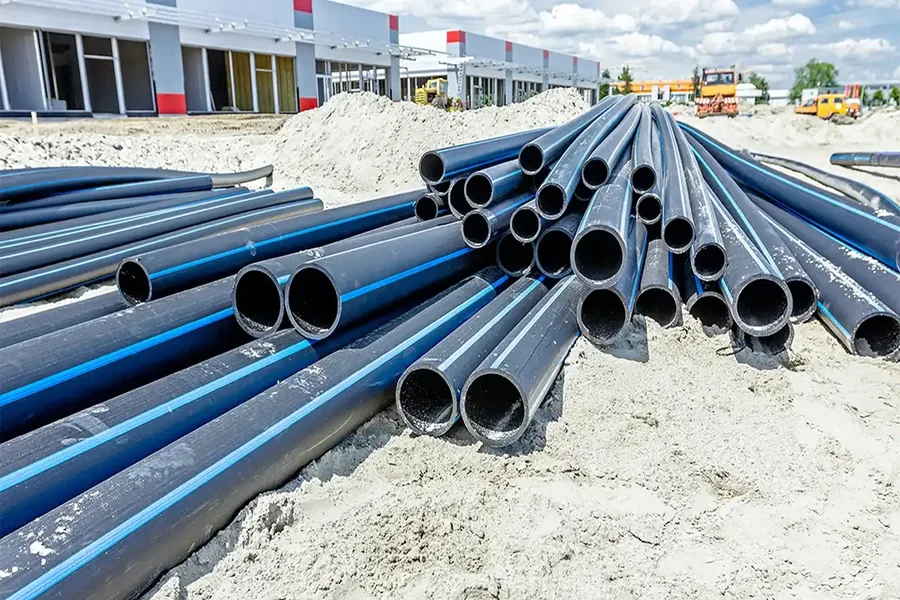
Pipeline projects usually face tight deadlines. Communities, industries, and councils depend on these systems to function without delays. When construction takes longer than planned, costs rise, and schedules become harder to manage.
Prefabricated HDPE technology offers a smarter way to handle these challenges. Many project planners now consult HDPE pipe manufacturers early to align designs with faster construction methods. This article explores how prefabricated HDPE systems help reduce build time, simplify on-site work, and keep projects moving forward with confidence.
How Prefabrication Changes Pipeline Planning
Prefabrication means that pipe sections are produced and prepared before they arrive at the construction site. Skilled teams complete cutting, joining, and fitting in a controlled setting. Each section reaches the site ready for placement. This process shifts much of the workload away from the field.
Site crews focus more on installation rather than assembly. As a result, planning becomes clearer, and work flows with fewer interruptions. Teams can follow a set timeline with better accuracy. HDPE material supports this method well. It is lightweight and easy to handle. These qualities allow larger sections to be transported and installed without added complexity.
Quicker Site Setup and Installation
Construction sites often face limits related to space, access, and weather. Prefabricated sections reduce exposure to these issues by cutting down on on-site tasks.
Main advantages during installation include:
- Less time spent assembling pipes in open conditions.
- Smaller crews are required on location.
- Fewer machines are moving around the site.
- Faster connection between prepared sections.
These benefits help crews move from groundwork to completion without long pauses. The approach suits both busy urban areas and remote regions where efficiency matters most.
Controlled Production Leads to Better Workflow
Factory-based preparation allows tasks to run without constant disruption. Technicians work with precision and consistency. Each join follows a set process that supports strong alignment. When the sections arrive on site, they fit as planned. Crews avoid repeated adjustments or unexpected delays. Equipment use stays efficient, and workdays remain productive.
Close coordination with HDPE pipe manufacturers also supports smoother delivery schedules. Clear communication ensures that pipe sections arrive in the right order and at the right time, helping teams maintain steady progress.
Reliable Quality Helps Avoid Delays
Quality checks completed during production play a major role in saving time later. Each pipe section undergoes inspection before transport. This step confirms joint strength and overall accuracy. With these checks completed early, site crews work with greater trust in the materials.
They spend less time on reinspection and corrections. This confidence allows faster transitions between construction stages. Strong quality control also supports long-term system performance. Secure joints and accurate fittings reduce the chance of future issues, which adds lasting value to the project.
Time Efficiency Across Large-Scale Builds
Large pipeline networks involve many moving parts. Prefabricated HDPE technology allows multiple stages to run at the same time. While site teams prepare trenches, production teams complete pipe sections elsewhere. This parallel workflow reduces idle periods. Deliveries align with site readiness, keeping crews active and focused.
Project managers can track progress with fewer schedule changes. Transport also becomes easier over long distances. Fewer, larger sections mean fewer deliveries and simpler handling. This efficiency supports better coordination across wide project areas.
Prefabricated HDPE technology offers a clear solution for reducing pipeline build time. By moving key tasks away from the site and into controlled environments, projects gain speed and consistency. The approach supports smoother installation, better planning, and reliable outcomes. For modern pipeline needs, this method provides a practical and dependable construction path.
