

In a groundbreaking shift towards sustainable energy solutions, the Cheaper Home Batteries Programme is poised to transform the way households manage and consume electricity dramatically. This initiative arises from the pressing need to make renewable energy storage more affordable and accessible for homeowners, thereby reducing reliance on conventional energy sources and enhancing energy efficiency nationwide.
The Need for Affordable Energy Storage
The growing emphasis on renewable energy sources, such as solar and wind, necessitates efficient and affordable storage solutions to manage the intermittent nature of these energy outputs. While the adoption of solar panels has surged, the high cost of home battery systems remains a significant barrier for many households. This programme addresses the critical need to mitigate the financial burden associated with advanced energy storage technology, thereby enabling a wider adoption of clean energy.
How the Programme Works
Under this scheme, eligible households can access subsidies or financing options to lower the upfront cost of purchasing and installing home battery systems. The initiative is designed to complement existing renewable energy incentives, thereby creating a holistic approach to achieving energy independence at the household level. The programme collaborates with technology providers, financial institutions, and governmental bodies to streamline the process of obtaining and installing affordable home battery solutions.
Benefits of Home Batteries
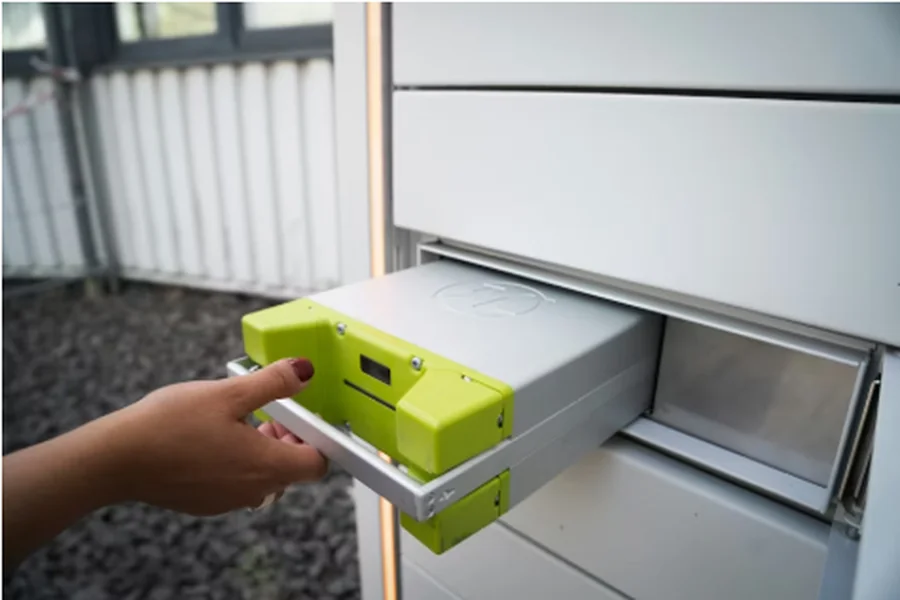
Home batteries play a crucial role in enhancing energy efficiency and promoting sustainable living. By storing excess energy generated from renewable sources, these batteries allow households to utilise stored power during peak periods or when the renewable source isn’t producing energy. This not only reduces electricity bills but also alleviates pressure on the national grid. Moreover, the ability to store energy locally contributes to energy resilience and security, ensuring a continuous power supply even during grid outages.
Technological Advancements Driving the Programme
The decline in the cost of lithium-ion batteries, driven by research and development, plays a pivotal role in the feasibility of the Cheaper Home Batteries Program. Advances in battery technology have enhanced storage capacities, increased lifespan, and bolstered the safety of home battery systems. Additionally, emerging technologies such as solid-state batteries promise to further revolutionise energy storage, contributing to the programme’s objectives by offering superior performance at potentially lower costs.
Environmental and Economic Impacts
Environmental benefits are at the heart of the Cheaper Home Batteries Programme. By facilitating the integration of renewable energy into daily consumption, the programme supports significant reductions in carbon emissions. From an economic standpoint, the proliferation of home batteries spurred by this initiative has the potential to stimulate the green economy, create jobs in the renewable sector, and foster innovation in energy technologies.
Challenges and Considerations
While the prospects of the Cheaper Home Batteries Programme are promising, several challenges need to be addressed to ensure successful implementation. These include the need for robust regulatory frameworks, the establishment of standardised safety and performance benchmarks for battery systems, and the need for public awareness initiatives to educate consumers on the benefits and maintenance of home batteries. Policymakers and stakeholders must work collaboratively to overcome these hurdles to realise the full potential of this programme.
Case Studies and Success Stories
Regions where similar initiatives have been implemented offer valuable insights into the potential successes of the Cheaper Home Batteries Programme. For example, South Australia’s Home Battery Scheme has demonstrated that government-led support can significantly accelerate the adoption of home battery systems, resulting in notable reductions in energy prices and increased utilisation of renewable energy. These case studies serve as benchmarks, showcasing the transformative power of collaborative efforts in energy innovation.
Future Prospects
The Cheaper Home Batteries Programme is well-positioned to influence the future landscape of energy consumption. As renewable energy continues to gain traction and as battery technologies evolve, the programme’s initiatives promise to usher in a new era of sustainable living. It is expected that the success of this initiative will not only catalyse the wider adoption of home batteries but also inspire other nations to initiate similar schemes, thereby contributing to global efforts in combating climate change and promoting energy security.
Integration with Smart Home Technologies
The rise of smart home technologies provides an additional layer of benefits for homeowners participating in the programme. Integrating home battery systems with smart energy management systems allows for real-time monitoring and optimisation of energy usage. Homeowners can track energy consumption patterns, set preferences for the use of stored energy, and automate processes to maximise efficiency. This integration fosters a more informed and conscientious approach to energy use, amplifying the benefits offered by the programme.
Policy Implications
The success of the Cheaper Home Batteries Programme is likely to have significant policy implications at the national and local levels. By demonstrating the viability of subsidised energy solutions, the programme may prompt the development of more comprehensive policies aimed at promoting renewable energy adoption. Additionally, lessons learned from the implementation of this programme can inform policy reforms, ensuring that future initiatives are well-structured and aligned with the country’s energy goals.
Conclusion
While this text does not encapsulate the programme’s full potential, it reflects the initiative’s far-reaching impacts on society’s energy practices and the environment. The Cheaper Home Batteries Programme is a pioneering step towards a more sustainable and resilient energy future, marking a new chapter in the journey towards energy independence and environmental stewardship. Lastly, the collective effort from stakeholders, incentives, clear policy direction, and ongoing technological advancements will be vital in realising the programme’s transformative vision for thousands of households across the country.
