
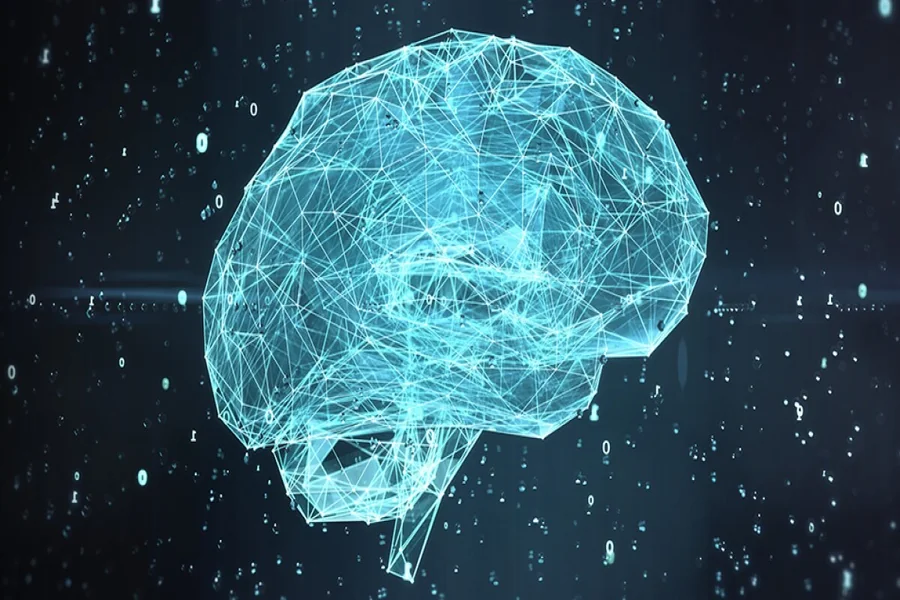
Introduction to Neural Networks
Neural networks are one of the most important ideas in modern technology, yet they often sound more complicated than they really are. If you’ve ever wondered how apps recognize your face, recommend videos, or translate languages, neural networks are usually working quietly in the background.
Understanding neural networks in simple terms starts with thinking about how humans learn. Just like our brains process information through connections between neurons, artificial neural networks use connected units to process data and make decisions. The goal is not to copy the brain exactly, but to take inspiration from how learning works in nature.
This article will guide you through the basics in a natural and simple way, so you can clearly understand what neural networks are and why they matter.
What Is a Neural Network?
A neural network is a system that learns to recognize patterns in data. Instead of following strict rules written by a programmer, it improves its performance by learning from examples.
Imagine showing a computer many pictures of cats and dogs. A neural network does not understand these images the way humans do. It sees numbers that represent pixels and learns to detect patterns that are common in each category. Over time, it becomes capable of telling whether a new image contains a cat or a dog.
The structure of a neural network is made up of layers that pass information forward. Each layer transforms the input slightly until the final layer produces a result. This flow of information is what allows the system to gradually build understanding from raw data. For more information you can visit techpora.
How Neural Networks Learn
Learning in neural networks happens through experience. During training, the system is given a large amount of data along with the correct answers. It makes predictions, compares them to the actual answers, and then adjusts itself.
At the beginning, the network often makes poor guesses. However, each mistake helps it improve. It slowly changes the strength of its internal connections so that future predictions become more accurate. This process continues over many cycles until the system reaches a useful level of performance.
You can think of it as a student practicing a skill. The more examples the student sees, the better they become at recognizing patterns and making correct decisions. Neural networks follow a similar path, learning step by step from data.
Understanding Layers and Neurons
The idea of layers and neurons may sound technical, but it can be understood in a very intuitive way. Each layer in a neural network represents a stage of understanding.
At the beginning, the network focuses on simple features. As the data moves deeper into the network, these simple features are combined into more complex ideas. By the time the information reaches the final layer, the network can make a meaningful decision based on everything it has learned.
Neurons act like small processing units. Each one receives input, performs a simple calculation, and passes the result forward. On their own, they are not very powerful, but when many neurons work together across layers, they can handle very complex tasks.
This layered approach is what makes neural networks so effective at dealing with real-world data.
Real-Life Applications of Neural Networks
Neural networks are part of everyday life, even if most people do not realize it. When you unlock your phone using facial recognition, a neural network is analyzing your features. When streaming platforms suggest movies or shows you might like, they rely on neural networks to understand your preferences.
Language translation tools also depend on neural networks to interpret meaning between different languages. Voice assistants use them to understand spoken words and respond in a natural way.
These systems work because neural networks are very good at identifying patterns in large amounts of data. They can detect relationships that would be difficult or impossible to define manually.
Different Types of Neural Networks
Not all neural networks are the same. Different designs are used depending on the type of problem being solved.
Some networks are built for general tasks where data flows in one direction from input to output. Others are designed specifically for images and are especially good at identifying visual patterns. There are also networks that are suited for handling sequences, such as sentences or spoken language, because they can remember information over time.
Each type of neural network is created to handle a particular kind of challenge, which is why they are so widely used across different fields.
Why Neural Networks Are So Powerful
The true strength of neural networks lies in their ability to learn directly from data. Traditional computer programs depend on clear instructions written by humans. Neural networks, on the other hand, discover patterns on their own.
This allows them to solve problems that are too complex for rule-based systems. They can adapt to new data, improve over time, and handle situations that were not explicitly programmed.
However, this power also comes with some limitations. Neural networks require large amounts of data to perform well, and they often need significant computing resources. In addition, their decision-making process can sometimes be difficult to interpret, which raises questions about transparency.
Even with these challenges, their advantages have made them a central part of modern artificial intelligence.
Final Thought
Neural networks may seem intimidating at first, but their core idea is surprisingly simple. They are systems that learn from experience, recognize patterns, and improve over time.
By breaking them down into layers, neurons, and learning processes, it becomes easier to see how they function. They are not mysterious or magical, but rather powerful tools built on clear principles.
As technology continues to evolve, neural networks will remain at the heart of many innovations. Understanding them in simple terms gives you a strong foundation to explore the world of artificial intelligence with confidence.
