

Modern cars are systems. Every part talks to every other part. This includes the wheels. We used to think of factory wheels as just styling. That thinking is outdated. Today’s OEM wheel design is a critical performance component. Engineers do not just pick a shape they like. They calculate airflow. They manage weight. They influence handling. The right wheel makes the car better. The wrong wheel holds it back. Let’s look at why factory wheels are now a key player in the performance game.
The Weight Optimization Equation
Performance is about shedding pounds. Unsprung weight is the big enemy. This is the weight not supported by the suspension. Wheels and tires are unsprung weight. Heavy wheels hurt acceleration. They hurt braking. They make the suspension work harder. OEM engineers fight this. They use advanced materials like flow-formed aluminum. They design intricate but light structures. Every gram matters. A truck wheel is a great example of this balance. A factory-designed set of Chevy Silverado 22 inch rims OEM is engineered for this. It must be strong enough for heavy loads. It must also be as light as possible for efficiency and ride quality. This factory optimization is hard to beat.
Aerodynamics: The Hidden Design Goal
Air does not like wheels. A spinning wheel creates turbulence. This turbulence creates drag. Drag kills fuel economy and high-speed stability. OEM wheel designers now work with aerodynamics teams. They create specific shapes to smooth airflow. Some wheels have almost flat faces. They guide air around the tire. Others have intricate spokes designed to reduce air resistance. This is not for looks alone. It is for efficiency. A well-designed OEM wheel can add miles to your range. This is especially true for electric vehicles.
Brake Cooling and Thermal Management
Big brakes need air. They get very hot during hard use. Wheel design controls this airflow. The spokes act as ducts. They channel cool air toward the brake rotors and calipers. A closed-off wheel style might look cool. It can cause brakes to overheat. Factory performance wheels are designed with this in mind. Their shape provides a clear path for cooling air. This protects your braking performance on a long downhill grade or a twisty road. It is a functional necessity.
The Rigidity and Response Factor
A wheel must be stiff. It should not flex under cornering forces. Flex feels vague and sloppy. OEM wheels are engineered for precise rigidity. They are tuned to the vehicle’s specific suspension dynamics. This tuning gives the driver crisp feedback. The steering feels direct and accurate. A cheap, flexible aftermarket wheel can ruin this carefully calibrated feel. The factory wheel completes the suspension’s intended character.
Precision Fitment and Bearing Life
Factory wheels are hub-centric. They center perfectly on the vehicle’s hub. This eliminates vibrations. It also ensures even load distribution on the wheel bearings. Incorrect fitment from an aftermarket wheel can cause subtle imbalances. These imbalances stress bearings and suspension joints over time. OEM fitment protects these expensive components. It ensures everything rotates smoothly for the life of the vehicle. This is a longevity and performance issue.
TPMS Integration and Safety
Tire Pressure Monitoring Sensors are standard now. They live inside the wheel. OEM wheels have precisely designed pockets for these sensors. The design protects them. It also ensures accurate pressure readings. An incompatible aftermarket wheel can damage a sensor. It can also cause false readings. Maintaining this integrated safety system is a key part of modern wheel performance. It keeps you informed and safe.
The Harmonized System Approach
This is the biggest point. An OEM wheel is part of a system. It was tested with the specific tires offered by the manufacturer. It was balanced with the vehicle’s electronic stability control in mind. Its weight and dimensions influenced the tuning of the power steering. Changing one part of this system can upset the balance. The factory wheel is the guaranteed component. It makes the whole vehicle perform as the engineers intended.
The Smart Performance Choice
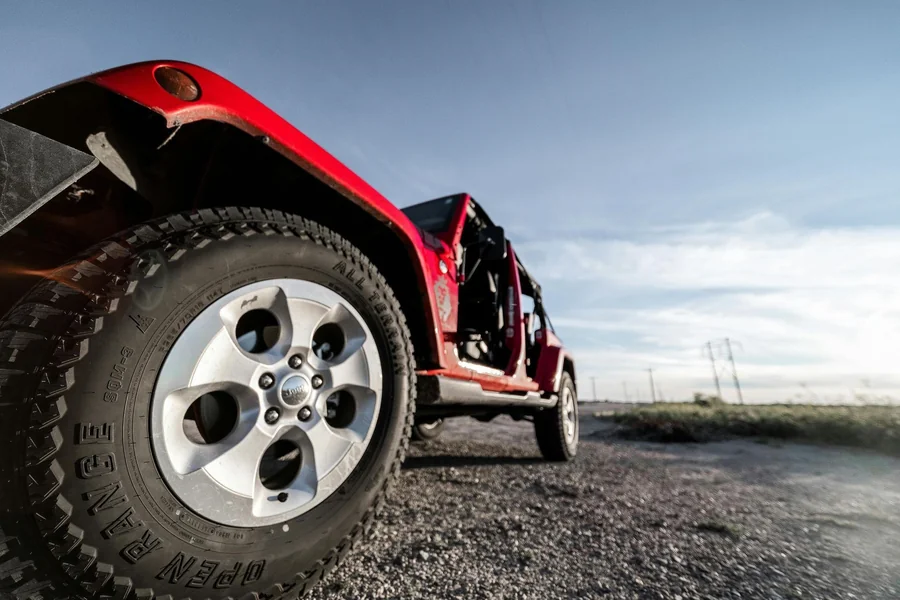
Choosing OEM wheels is no longer a conservative move. It is a performance-oriented decision. You are choosing optimized weight, designed aerodynamics, and guaranteed cooling. You are preserving the vehicle’s engineered handling and safety systems. For the driver who values how a car drives, not just how it looks, this matters. The proof is in the driving experience. The right wheel makes everything better. That wheel is often the one that came with the car.
