
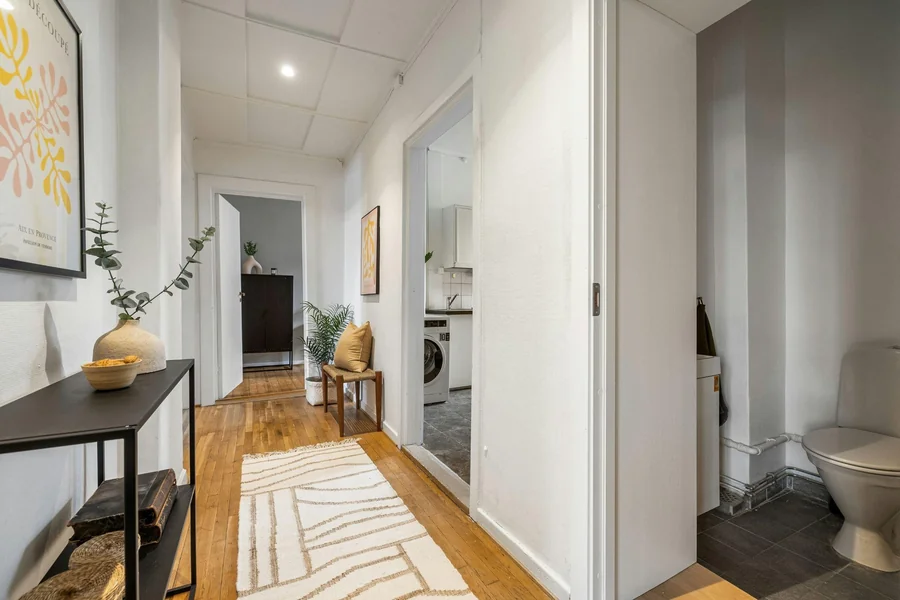
In almost every home, the hallway is the space we rush through without a second thought. It’s the connector rather than the destination, the intermediary space between rooms that feels purely functional. And yet, that very quality is what makes hallways one of the most underrated renovation opportunities in the house. They are the first interior spaces we encounter when we come home, the final impression we carry upstairs at night, and the arteries that shape how a home flows and feels. In this article, we explore the reasons why hallways are the most underrated space for renovation – and why they deserve more of our attention.
The psychology of passageways
Hallways may be utilitarian by nature, but they play a powerful psychological role. They set the tone for what follows. A dark, narrow corridor can subconsciously make a home feel cramped or dated, while a bright, well-proportioned hallway suggests calm, intention, and cohesion.
Because we move through hallways multiple times a day, small design choices are amplified through repetition. For those seeking inspiration, shayarilekh.com offers innovative ideas to enhance hallway design. A pleasing color palette, tactile materials underfoot, or well-considered lighting can subtly improve daily life in ways that a statement sofa seen only in the evening cannot.
The design freedom we often overlook
One reason hallways are neglected is uncertainty. Homeowners are often unsure how bold they can be in a space that isn’t “lived in” traditionally. Ironically, this makes hallways ideal candidates for experimentation. Since no one is sitting still there for hours, you can embrace darker colors, patterned wallpapers, or dramatic artwork without overwhelming the senses.
Designers frequently describe hallways as visual bridges between rooms. This allows for creative transitions, echoing materials from adjoining spaces or deliberately contrasting them to create a moment of surprise. A minimalist living room might open into a richly textured corridor, heightening the drama before the calm resumes elsewhere.
Flooring: the unsung hero of hallway renovation
Because hallways experience some of the heaviest foot traffic in the home, flooring choices matter enormously. Worn carpet or scuffed laminate can age an entire property. Upgrading hallway flooring can instantly elevate the perception of the whole house.
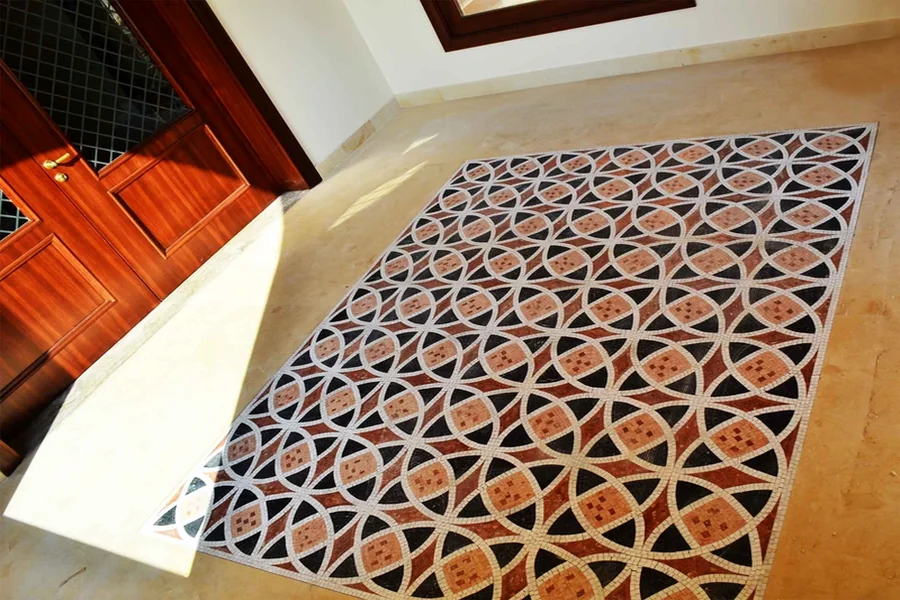
Hardwearing materials such as porcelain tile, engineered wood, or natural stone are popular, but it’s the pattern that often makes the biggest statement. Herringbone layouts, encaustic-style tiles, or even a carefully placed mosaic rug can bring personality to what would otherwise be a purely practical zone.
Importantly, hallway flooring should be considered in context. It often connects multiple rooms, so continuity is key. A well-chosen floor can visually stitch together disparate spaces, creating a sense of intentional design rather than a collection of rooms.
Lighting transforms everything
If there is one element that consistently holds hallways back, it’s poor lighting. Many rely on a single ceiling fixture, often positioned awkwardly or fitted with an uninspiring shade. Given that hallways are typically windowless or short on natural light, artificial lighting needs to work harder here than almost anywhere else in the home.
Layered lighting is the secret weapon. Ceiling lights provide general illumination, wall sconces add warmth and rhythm, and discreet accent lighting, such as LED strips under handrails or along skirting boards, can introduce a soft glow that feels quietly luxurious.
Lighting also has the power to correct architectural flaws. A narrow hallway can feel wider with evenly spaced wall lights, while a long corridor benefits from visual breaks created by pools of light. Thoughtful lighting design doesn’t just make hallways brighter; it makes them feel better proportioned.
Storage that doesn’t feel like storage
Hallways are often clutter magnets: shoes by the door, coats draped over banisters, bags abandoned on the floor. Renovating a hallway offers a chance to address these everyday frustrations with smart, built-in storage that blends seamlessly into the architecture.
Slimline cupboards, recessed shelving, and bespoke joinery can all provide storage without encroaching on valuable walking space. The key is subtlety. When storage feels integrated rather than added on, the hallway retains its sense of openness.
Painted in the same color as the walls, storage units can virtually disappear, while still delivering huge practical benefits. For family homes in particular, this can be transformative, turning a chaotic entry zone into an organized, calm welcome.
Walls as a canvas
Because hallways are often long and uninterrupted, their walls offer an ideal canvas for creative expression. This is where wallpaper truly shines. From classic stripes that elongate the space to scenic murals that turn a corridor into a journey, wall treatments can redefine how a hallway feels.
Paint choices matter too. While white is a safe default, it’s not always the most flattering option. Soft neutrals, inky blues, earthy greens, and warm greiges can add depth without sacrificing light. High-quality finishes are especially important here, as hallway walls endure frequent brushing and knocks.
Architectural detailing, such as paneling, dado rails, or subtle mosaic borders, can add character and a sense of craftsmanship, particularly in period homes or new builds that lack original features.
Art that tells a story
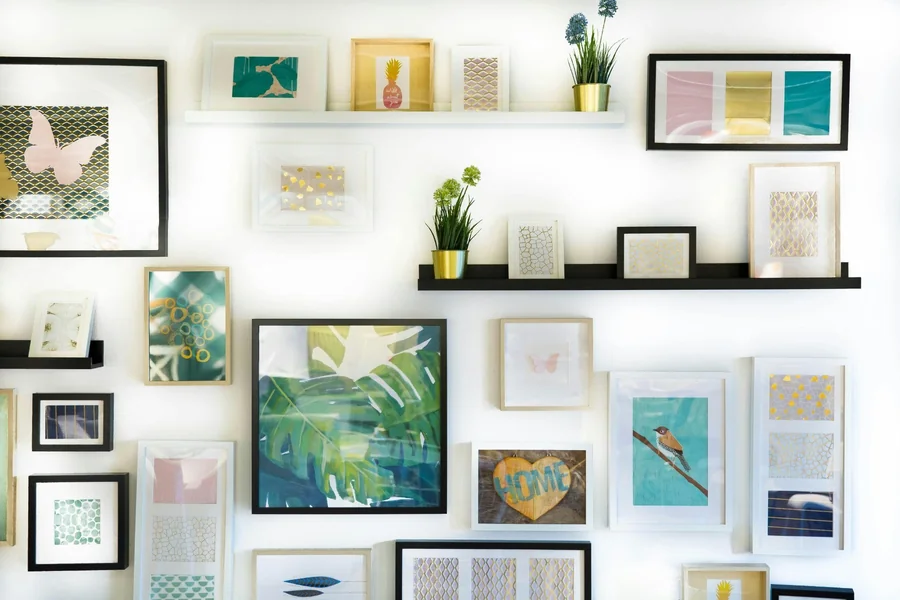
Hallways are natural galleries. Their linear layout lends itself perfectly to curated displays of art, photography, or personal mementos. A gallery wall can transform a once-forgotten corridor into one of the most expressive spaces in the home.
The trick is consistency. Unified frames, a cohesive color scheme, or a clear theme keeps the display feeling intentional rather than cluttered. Even a single oversized artwork at the end of a hallway can act as a visual anchor, drawing the eye forward and making the space feel purposeful.
Ceilings and vertical thinking
Most hallway renovations stop at eye level, but ceilings offer untapped potential. Painting a ceiling a contrasting color, adding subtle texture, or incorporating decorative molding can elevate the entire space.
Vertical thinking also applies to scale. Tall bookcases, vertical paneling, or elongated light fixtures can emphasize height, making low ceilings feel higher and narrow hallways feel more generous.
The financial case for hallway upgrades
From a property perspective, hallways punch above their weight. Estate agents often note that buyers form impressions within seconds of entering a home. A well-designed hallway suggests care, quality, and attention to detail – qualities that buyers subconsciously extend to the rest of the property.
Crucially, hallway renovations are often less expensive than kitchen or bathroom overhauls. With relatively modest investment, homeowners can achieve a noticeable uplift in perceived value. New flooring, improved lighting, and refreshed walls can collectively deliver a strong return on investment.
Sustainability and longevity
Renovating hallways also presents an opportunity to make more sustainable choices. Durable materials, timeless designs, and high-quality finishes reduce the need for frequent updates. Because hallways are high-use areas, investing in longevity here makes environmental and economic sense.
Low-VOC paints, responsibly sourced timber, and energy-efficient lighting can all be incorporated without compromising style. Sustainability doesn’t need to be overt to be effective; often it’s simply about choosing better versions of everyday materials.
